
Get trending papers in your email inbox once a day!
Get trending papers in your email inbox!
Subscribe

ComfyGPT: A Self-Optimizing Multi-Agent System for Comprehensive ComfyUI Workflow Generation
ComfyUI provides a widely-adopted, workflow-based interface that enables users to customize various image generation tasks through an intuitive node-based architecture. However, the intricate connections between nodes and diverse modules often present a steep learning curve for users. In this paper, we introduce ComfyGPT, the first self-optimizing multi-agent system designed to generate ComfyUI workflows based on task descriptions automatically. ComfyGPT comprises four specialized agents: ReformatAgent, FlowAgent, RefineAgent, and ExecuteAgent. The core innovation of ComfyGPT lies in two key aspects. First, it focuses on generating individual node links rather than entire workflows, significantly improving generation precision. Second, we proposed FlowAgent, a LLM-based workflow generation agent that uses both supervised fine-tuning (SFT) and reinforcement learning (RL) to improve workflow generation accuracy. Moreover, we introduce FlowDataset, a large-scale dataset containing 13,571 workflow-description pairs, and FlowBench, a comprehensive benchmark for evaluating workflow generation systems. We also propose four novel evaluation metrics: Format Validation (FV), Pass Accuracy (PA), Pass Instruct Alignment (PIA), and Pass Node Diversity (PND). Experimental results demonstrate that ComfyGPT significantly outperforms existing LLM-based methods in workflow generation.
The More You Automate, the Less You See: Hidden Pitfalls of AI Scientist Systems
AI scientist systems, capable of autonomously executing the full research workflow from hypothesis generation and experimentation to paper writing, hold significant potential for accelerating scientific discovery. However, the internal workflow of these systems have not been closely examined. This lack of scrutiny poses a risk of introducing flaws that could undermine the integrity, reliability, and trustworthiness of their research outputs. In this paper, we identify four potential failure modes in contemporary AI scientist systems: inappropriate benchmark selection, data leakage, metric misuse, and post-hoc selection bias. To examine these risks, we design controlled experiments that isolate each failure mode while addressing challenges unique to evaluating AI scientist systems. Our assessment of two prominent open-source AI scientist systems reveals the presence of several failures, across a spectrum of severity, which can be easily overlooked in practice. Finally, we demonstrate that access to trace logs and code from the full automated workflow enables far more effective detection of such failures than examining the final paper alone. We thus recommend journals and conferences evaluating AI-generated research to mandate submission of these artifacts alongside the paper to ensure transparency, accountability, and reproducibility.

StarFlow: Generating Structured Workflow Outputs From Sketch Images
Workflows are a fundamental component of automation in enterprise platforms, enabling the orchestration of tasks, data processing, and system integrations. Despite being widely used, building workflows can be complex, often requiring manual configuration through low-code platforms or visual programming tools. To simplify this process, we explore the use of generative foundation models, particularly vision-language models (VLMs), to automatically generate structured workflows from visual inputs. Translating hand-drawn sketches or computer-generated diagrams into executable workflows is challenging due to the ambiguity of free-form drawings, variations in diagram styles, and the difficulty of inferring execution logic from visual elements. To address this, we introduce StarFlow, a framework for generating structured workflow outputs from sketches using vision-language models. We curate a diverse dataset of workflow diagrams -- including synthetic, manually annotated, and real-world samples -- to enable robust training and evaluation. We finetune and benchmark multiple vision-language models, conducting a series of ablation studies to analyze the strengths and limitations of our approach. Our results show that finetuning significantly enhances structured workflow generation, outperforming large vision-language models on this task.





GenAgent: Build Collaborative AI Systems with Automated Workflow Generation -- Case Studies on ComfyUI
Much previous AI research has focused on developing monolithic models to maximize their intelligence and capability, with the primary goal of enhancing performance on specific tasks. In contrast, this paper explores an alternative approach: collaborative AI systems that use workflows to integrate models, data sources, and pipelines to solve complex and diverse tasks. We introduce GenAgent, an LLM-based framework that automatically generates complex workflows, offering greater flexibility and scalability compared to monolithic models. The core innovation of GenAgent lies in representing workflows with code, alongside constructing workflows with collaborative agents in a step-by-step manner. We implement GenAgent on the ComfyUI platform and propose a new benchmark, OpenComfy. The results demonstrate that GenAgent outperforms baseline approaches in both run-level and task-level evaluations, showing its capability to generate complex workflows with superior effectiveness and stability.

Opus: A Large Work Model for Complex Workflow Generation
This paper introduces Opus, a novel framework for generating and optimizing Workflows tailored to complex Business Process Outsourcing (BPO) use cases, focusing on cost reduction and quality enhancement while adhering to established industry processes and operational constraints. Our approach generates executable Workflows from Intention, defined as the alignment of Client Input, Client Output, and Process Context. These Workflows are represented as Directed Acyclic Graphs (DAGs), with nodes as Tasks consisting of sequences of executable Instructions, including tools and human expert reviews. We adopt a two-phase methodology: Workflow Generation and Workflow Optimization. In the Generation phase, Workflows are generated using a Large Work Model (LWM) informed by a Work Knowledge Graph (WKG) that encodes domain-specific procedural and operational knowledge. In the Optimization phase, Workflows are transformed into Workflow Graphs (WFGs), where optimal Workflows are determined through path optimization. Our experiments demonstrate that state-of-the-art Large Language Models (LLMs) face challenges in reliably retrieving detailed process data as well as generating industry-compliant workflows. The key contributions of this paper include: - The integration of a Work Knowledge Graph (WKG) into a Large Work Model (LWM), enabling the generation of context-aware, semantically aligned, structured and auditable Workflows. - A two-phase approach that combines Workflow Generation from Intention with graph-based Workflow Optimization. - Opus Alpha 1 Large and Opus Alpha 1 Small, models that outperform state-of-the-art LLMs by 38\% and 29\% respectively in Workflow Generation for a Medical Coding use case.

WorkflowLLM: Enhancing Workflow Orchestration Capability of Large Language Models
Recent advancements in large language models (LLMs) have driven a revolutionary paradigm shift in process automation from Robotic Process Automation to Agentic Process Automation by automating the workflow orchestration procedure based on LLMs. However, existing LLMs (even the advanced OpenAI GPT-4o) are confined to achieving satisfactory capability in workflow orchestration. To address this limitation, we present WorkflowLLM, a data-centric framework elaborately designed to enhance the capability of LLMs in workflow orchestration. It first constructs a large-scale fine-tuning dataset WorkflowBench with 106,763 samples, covering 1,503 APIs from 83 applications across 28 categories. Specifically, the construction process can be divided into three phases: (1) Data Collection: we collect real-world workflow data from Apple Shortcuts and RoutineHub, transcribing them into Python-style code. We further equip them with generated hierarchical thought via ChatGPT. (2) Query Expansion: we prompt ChatGPT to generate more task queries to enrich the diversity and complexity of workflows. (3) Workflow Generation: we leverage an annotator model trained on collected data to generate workflows for synthesized queries. Finally, we merge the synthetic samples that pass quality confirmation with the collected samples to obtain the WorkflowBench. Based on WorkflowBench, we fine-tune Llama-3.1-8B to obtain WorkflowLlama. Our experiments show that WorkflowLlama demonstrates a strong capacity to orchestrate complex workflows, while also achieving notable generalization performance on previously unseen APIs. Additionally, WorkflowBench exhibits robust zero-shot generalization capabilities on an out-of-distribution task planning dataset, T-Eval. Our data and code are available at https://github.com/OpenBMB/WorkflowLLM.


From Task Executors to Research Partners: Evaluating AI Co-Pilots Through Workflow Integration in Biomedical Research
Artificial intelligence systems are increasingly deployed in biomedical research. However, current evaluation frameworks may inadequately assess their effectiveness as research collaborators. This rapid review examines benchmarking practices for AI systems in preclinical biomedical research. Three major databases and two preprint servers were searched from January 1, 2018 to October 31, 2025, identifying 14 benchmarks that assess AI capabilities in literature understanding, experimental design, and hypothesis generation. The results revealed that all current benchmarks assess isolated component capabilities, including data analysis quality, hypothesis validity, and experimental protocol design. However, authentic research collaboration requires integrated workflows spanning multiple sessions, with contextual memory, adaptive dialogue, and constraint propagation. This gap implies that systems excelling on component benchmarks may fail as practical research co-pilots. A process-oriented evaluation framework is proposed that addresses four critical dimensions absent from current benchmarks: dialogue quality, workflow orchestration, session continuity, and researcher experience. These dimensions are essential for evaluating AI systems as research co-pilots rather than as isolated task executors.

Automating the Enterprise with Foundation Models
Automating enterprise workflows could unlock $4 trillion/year in productivity gains. Despite being of interest to the data management community for decades, the ultimate vision of end-to-end workflow automation has remained elusive. Current solutions rely on process mining and robotic process automation (RPA), in which a bot is hard-coded to follow a set of predefined rules for completing a workflow. Through case studies of a hospital and large B2B enterprise, we find that the adoption of RPA has been inhibited by high set-up costs (12-18 months), unreliable execution (60% initial accuracy), and burdensome maintenance (requiring multiple FTEs). Multimodal foundation models (FMs) such as GPT-4 offer a promising new approach for end-to-end workflow automation given their generalized reasoning and planning abilities. To study these capabilities we propose ECLAIR, a system to automate enterprise workflows with minimal human supervision. We conduct initial experiments showing that multimodal FMs can address the limitations of traditional RPA with (1) near-human-level understanding of workflows (93% accuracy on a workflow understanding task) and (2) instant set-up with minimal technical barrier (based solely on a natural language description of a workflow, ECLAIR achieves end-to-end completion rates of 40%). We identify human-AI collaboration, validation, and self-improvement as open challenges, and suggest ways they can be solved with data management techniques. Code is available at: https://github.com/HazyResearch/eclair-agents


Helmsman: Autonomous Synthesis of Federated Learning Systems via Multi-Agent Collaboration
Federated Learning (FL) offers a powerful paradigm for training models on decentralized data, but its promise is often undermined by the immense complexity of designing and deploying robust systems. The need to select, combine, and tune strategies for multifaceted challenges like data heterogeneity and system constraints has become a critical bottleneck, resulting in brittle, bespoke solutions. To address this, we introduce Helmsman, a novel multi-agent system that automates the end-to-end synthesis of federated learning systems from high-level user specifications. It emulates a principled research and development workflow through three collaborative phases: (1) interactive human-in-the-loop planning to formulate a sound research plan, (2) modular code generation by supervised agent teams, and (3) a closed-loop of autonomous evaluation and refinement in a sandboxed simulation environment. To facilitate rigorous evaluation, we also introduce AgentFL-Bench, a new benchmark comprising 16 diverse tasks designed to assess the system-level generation capabilities of agentic systems in FL. Extensive experiments demonstrate that our approach generates solutions competitive with, and often superior to, established hand-crafted baselines. Our work represents a significant step towards the automated engineering of complex decentralized AI systems.
Agent WARPP: Workflow Adherence via Runtime Parallel Personalization
Large language models (LLMs) are increasingly applied in task-oriented dialogue (TOD) systems but often struggle with long, conditional workflows that involve external tool calls and depend on user-specific information. We present Workflow Adherence via Runtime Parallel Personalization, or WARPP, a training-free, modular framework that combines multi-agent orchestration with runtime personalization to improve workflow adherence in LLM-based systems. By dynamically pruning conditional branches based on user attributes, the framework reduces reasoning overhead and narrows tool selection at runtime. WARPP deploys a parallelized architecture where a dedicated Personalizer agent operates alongside modular, domain-specific agents to dynamically tailor execution paths in real time. The framework is evaluated across five representative user intents of varying complexity within three domains: banking, flights, and healthcare. Our evaluation leverages synthetic datasets and LLM-powered simulated users to test scenarios with conditional dependencies. Our results demonstrate that WARPP outperforms both the non-personalized method and the ReAct baseline, achieving increasingly larger gains in parameter fidelity and tool accuracy as intent complexity grows, while also reducing average token usage, without any additional training.
Multi-Step Dialogue Workflow Action Prediction
In task-oriented dialogue, a system often needs to follow a sequence of actions, called a workflow, that complies with a set of guidelines in order to complete a task. In this paper, we propose the novel problem of multi-step workflow action prediction, in which the system predicts multiple future workflow actions. Accurate prediction of multiple steps allows for multi-turn automation, which can free up time to focus on more complex tasks. We propose three modeling approaches that are simple to implement yet lead to more action automation: 1) fine-tuning on a training dataset, 2) few-shot in-context learning leveraging retrieval and large language model prompting, and 3) zero-shot graph traversal, which aggregates historical action sequences into a graph for prediction. We show that multi-step action prediction produces features that improve accuracy on downstream dialogue tasks like predicting task success, and can increase automation of steps by 20% without requiring as much feedback from a human overseeing the system.
MedAgent-Pro: Towards Multi-modal Evidence-based Medical Diagnosis via Reasoning Agentic Workflow
Developing reliable AI systems to assist human clinicians in multi-modal medical diagnosis has long been a key objective for researchers. Recently, Multi-modal Large Language Models (MLLMs) have gained significant attention and achieved success across various domains. With strong reasoning capabilities and the ability to perform diverse tasks based on user instructions, they hold great potential for enhancing medical diagnosis. However, directly applying MLLMs to the medical domain still presents challenges. They lack detailed perception of visual inputs, limiting their ability to perform quantitative image analysis, which is crucial for medical diagnostics. Additionally, MLLMs often exhibit hallucinations and inconsistencies in reasoning, whereas clinical diagnoses must adhere strictly to established criteria. To address these challenges, we propose MedAgent-Pro, an evidence-based reasoning agentic system designed to achieve reliable, explainable, and precise medical diagnoses. This is accomplished through a hierarchical workflow: at the task level, knowledge-based reasoning generate reliable diagnostic plans for specific diseases following retrieved clinical criteria. While at the case level, multiple tool agents process multi-modal inputs, analyze different indicators according to the plan, and provide a final diagnosis based on both quantitative and qualitative evidence. Comprehensive experiments on both 2D and 3D medical diagnosis tasks demonstrate the superiority and effectiveness of MedAgent-Pro, while case studies further highlight its reliability and interpretability. The code is available at https://github.com/jinlab-imvr/MedAgent-Pro.


LLM-Powered Fully Automated Chaos Engineering: Towards Enabling Anyone to Build Resilient Software Systems at Low Cost
Chaos Engineering (CE) is an engineering technique aimed at improving the resilience of distributed systems. It involves intentionally injecting faults into a system to test its resilience, uncover weaknesses, and address them before they cause failures in production. Recent CE tools automate the execution of predefined CE experiments. However, planning such experiments and improving the system based on the experimental results still remain manual. These processes are labor-intensive and require multi-domain expertise. To address these challenges and enable anyone to build resilient systems at low cost, this paper proposes ChaosEater, a system that automates the entire CE cycle with Large Language Models (LLMs). It predefines an agentic workflow according to a systematic CE cycle and assigns subdivided processes within the workflow to LLMs. ChaosEater targets CE for software systems built on Kubernetes. Therefore, the LLMs in ChaosEater complete CE cycles through software engineering tasks, including requirement definition, code generation, testing, and debugging. We evaluate ChaosEater through case studies on small- and large-scale Kubernetes systems. The results demonstrate that it consistently completes reasonable CE cycles with significantly low time and monetary costs. Its cycles are also qualitatively validated by human engineers and LLMs.

Generating a Low-code Complete Workflow via Task Decomposition and RAG
AI technologies are moving rapidly from research to production. With the popularity of Foundation Models (FMs) that generate text, images, and video, AI-based systems are increasing their complexity. Compared to traditional AI-based software, systems employing FMs, or GenAI-based systems, are more difficult to design due to their scale and versatility. This makes it necessary to document best practices, known as design patterns in software engineering, that can be used across GenAI applications. Our first contribution is to formalize two techniques, Task Decomposition and Retrieval-Augmented Generation (RAG), as design patterns for GenAI-based systems. We discuss their trade-offs in terms of software quality attributes and comment on alternative approaches. We recommend to AI practitioners to consider these techniques not only from a scientific perspective but also from the standpoint of desired engineering properties such as flexibility, maintainability, safety, and security. As a second contribution, we describe our industry experience applying Task Decomposition and RAG to build a complex real-world GenAI application for enterprise users: Workflow Generation. The task of generating workflows entails generating a specific plan using data from the system environment, taking as input a user requirement. As these two patterns affect the entire AI development cycle, we explain how they impacted the dataset creation, model training, model evaluation, and deployment phases.

RAGServe: Fast Quality-Aware RAG Systems with Configuration Adaptation
RAG (Retrieval Augmented Generation) allows LLMs (large language models) to generate better responses with external knowledge, but using more external knowledge often improves generation quality at the expense of response delay. Prior work either reduces the response delay (through better scheduling of RAG queries) or strives to maximize quality (which involves tuning the RAG workflow), but they fall short in optimizing the tradeoff between the delay and quality of RAG responses. This paper presents RAGServe, the first RAG system that jointly schedules queries and adapts the key RAG configurations of each query, such as the number of retrieved text chunks and synthesis methods, in order to balance quality optimization and response delay reduction. Using 4 popular RAG-QA datasets, we show that compared with the state-of-the-art RAG optimization schemes, RAGServe reduces the generation latency by 1.64-2.54times without sacrificing generation quality.


(P)rior(D)yna(F)low: A Priori Dynamic Workflow Construction via Multi-Agent Collaboration
Recent studies have shown that carefully designed workflows coordinating large language models(LLMs) significantly enhance task-solving capabilities compared to using a single model. While an increasing number of works focus on autonomous workflow construction, most existing approaches rely solely on historical experience, leading to limitations in efficiency and adaptability. We argue that while historical experience is valuable, workflow construction should also flexibly respond to the unique characteristics of each task. To this end, we propose an a priori dynamic framework for automated workflow construction. Our framework first leverages Q-table learning to optimize the decision space, guiding agent decisions and enabling effective use of historical experience. At the same time, agents evaluate the current task progress and make a priori decisions regarding the next executing agent, allowing the system to proactively select the more suitable workflow structure for each given task. Additionally, we incorporate mechanisms such as cold-start initialization, early stopping, and pruning to further improve system efficiency. Experimental evaluations on four benchmark datasets demonstrate the feasibility and effectiveness of our approach. Compared to state-of-the-art baselines, our method achieves an average improvement of 4.05%, while reducing workflow construction and inference costs to only 30.68%-48.31% of those required by existing methods.
Glia: A Human-Inspired AI for Automated Systems Design and Optimization
Can an AI autonomously design mechanisms for computer systems on par with the creativity and reasoning of human experts? We present Glia, an AI architecture for networked systems design that uses large language models (LLMs) in a human-inspired, multi-agent workflow. Each agent specializes in reasoning, experimentation, and analysis, collaborating through an evaluation framework that grounds abstract reasoning in empirical feedback. Unlike prior ML-for-systems methods that optimize black-box policies, Glia generates interpretable designs and exposes its reasoning process. When applied to a distributed GPU cluster for LLM inference, it produces new algorithms for request routing, scheduling, and auto-scaling that perform at human-expert levels in significantly less time, while yielding novel insights into workload behavior. Our results suggest that by combining reasoning LLMs with structured experimentation, an AI can produce creative and understandable designs for complex systems problems.
Opus: A Quantitative Framework for Workflow Evaluation
This paper introduces the Opus Workflow Evaluation Framework, a probabilistic-normative formulation for quantifying Workflow quality and efficiency. It integrates notions of correctness, reliability, and cost into a coherent mathematical model that enables direct comparison, scoring, and optimization of Workflows. The framework combines the Opus Workflow Reward, a probabilistic function estimating expected performance through success likelihood, resource usage, and output gain, with the Opus Workflow Normative Penalties, a set of measurable functions capturing structural and informational quality across Cohesion, Coupling, Observability, and Information Hygiene. It supports automated Workflow assessment, ranking, and optimization within modern automation systems such as Opus and can be integrated into Reinforcement Learning loops to guide Workflow discovery and refinement. In this paper, we introduce the Opus Workflow Reward model that formalizes Workflow success as a probabilistic expectation over costs and outcomes. We define measurable Opus Workflow Normative Penalties capturing structural, semantic, and signal-related properties of Workflows. Finally, we propose a unified optimization formulation for identifying and ranking optimal Workflows under joint Reward-Penalty trade-offs.
HALO: Hierarchical Autonomous Logic-Oriented Orchestration for Multi-Agent LLM Systems
Recent advancements in Multi-Agent Systems (MAS) powered by Large Language Models (LLMs) have demonstrated tremendous potential in diverse task scenarios. Nonetheless, existing agentic systems typically rely on predefined agent-role design spaces and static communication structures, limiting their adaptability as well as flexibility in complex interaction environments and leading to subpar performance on highly specialized and expert-level tasks. To address these issues, we introduce HALO, a multi-agent collaboration framework based on a hierarchical reasoning architecture. Specifically, we incorporate a high-level planning agent for task decomposition, mid-level role-design agents for subtask-specific agent instantiation, and low-level inference agents for subtask execution. Particularly, subtask execution is reformulated as a structured workflow search problem, where Monte Carlo Tree Search (MCTS) systematically explores the agentic action space to construct optimal reasoning trajectories. Additionally, as the majority of users lack expertise in prompt engineering, we leverage an Adaptive Prompt Refinement module to transform raw queries into task-specific prompts. Empirical evaluations on Code Generation (HumanEval), General Reasoning (MMLU), and Arithmetic Reasoning (MATH) benchmark datasets highlight the effectiveness of HALO, yielding a 14.4% average improvement over state-of-the-art baselines. Notably, HALO achieves up to 13.3% performance gain on the Moral Scenarios subject in the MMLU benchmark and up to 19.6% performance gain on the Algebra subarea in the MATH benchmark, indicating its advanced proficiency in tackling highly specialized and expert-level tasks. The code repository is available at https://github.com/23japhone/HALO.
OphNet: A Large-Scale Video Benchmark for Ophthalmic Surgical Workflow Understanding
Surgical scene perception via videos are critical for advancing robotic surgery, telesurgery, and AI-assisted surgery, particularly in ophthalmology. However, the scarcity of diverse and richly annotated video datasets has hindered the development of intelligent systems for surgical workflow analysis. Existing datasets for surgical workflow analysis, which typically face challenges such as small scale, a lack of diversity in surgery and phase categories, and the absence of time-localized annotations, limit the requirements for action understanding and model generalization validation in complex and diverse real-world surgical scenarios. To address this gap, we introduce OphNet, a large-scale, expert-annotated video benchmark for ophthalmic surgical workflow understanding. OphNet features: 1) A diverse collection of 2,278 surgical videos spanning 66 types of cataract, glaucoma, and corneal surgeries, with detailed annotations for 102 unique surgical phases and 150 granular operations; 2) It offers sequential and hierarchical annotations for each surgery, phase, and operation, enabling comprehensive understanding and improved interpretability; 3) Moreover, OphNet provides time-localized annotations, facilitating temporal localization and prediction tasks within surgical workflows. With approximately 205 hours of surgical videos, OphNet is about 20 times larger than the largest existing surgical workflow analysis benchmark. Our dataset and code have been made available at: https://github.com/minghu0830/OphNet-benchmark.


Self-Organizing Agent Network for LLM-based Workflow Automation
Recent multi-agent frameworks built upon large language models (LLMs) have demonstrated remarkable capabilities in complex task planning. However, in real-world enterprise environments, business workflows are typically composed through modularization and reuse of numerous subprocesses, resulting in intricate workflows characterized by lengthy and deeply nested execution paths. Such complexity poses significant challenges for LLM-driven orchestration, as extended reasoning chains and state-space explosions severely impact planning effectiveness and the proper sequencing of tool invocations. Therefore, developing an orchestration method with controllable structures capable of handling multi-layer nesting becomes a critical issue. To address this, we propose a novel structure-driven orchestration framework Self-Organizing Agent Network (SOAN). SOAN incrementally builds a formalized agent network by identifying and encapsulating structural units as independent agents, enhancing modularity and clarity in orchestration. Extensive evaluations were performed using multiple benchmarks as well as a real-world enterprise workflow dataset. Experimental results demonstrate that SOAN significantly outperforms state-of-the-art methods in terms of adaptability, fault tolerance, and execution efficiency.
MenTeR: A fully-automated Multi-agenT workflow for end-to-end RF/Analog Circuits Netlist Design
RF/Analog design is essential for bridging digital technologies with real-world signals, ensuring the functionality and reliability of a wide range of electronic systems. However, analog design procedures are often intricate, time-consuming and reliant on expert intuition, and hinder the time and cost efficiency of circuit development. To overcome the limitations of the manual circuit design, we introduce MenTeR - a multiagent workflow integrated into an end-to-end analog design framework. By employing multiple specialized AI agents that collaboratively address different aspects of the design process, such as specification understanding, circuit optimization, and test bench validation, MenTeR reduces the dependency on frequent trial-and-error-style intervention. MenTeR not only accelerates the design cycle time but also facilitates a broader exploration of the design space, demonstrating robust capabilities in handling real-world analog systems. We believe that MenTeR lays the groundwork for future "RF/Analog Copilots" that can collaborate seamlessly with human designers.
HEXGEN-TEXT2SQL: Optimizing LLM Inference Request Scheduling for Agentic Text-to-SQL Workflow
Recent advances in leveraging the agentic paradigm of large language models (LLMs) utilization have significantly enhanced Text-to-SQL capabilities, enabling users without specialized database expertise to query data intuitively. However, deploying these agentic LLM-based Text-to-SQL systems in production poses substantial challenges due to their inherently multi-stage workflows, stringent latency constraints, and potentially heterogeneous GPU infrastructure in enterprise environments. Current LLM serving frameworks lack effective mechanisms for handling interdependent inference tasks, dynamic latency variability, and resource heterogeneity, leading to suboptimal performance and frequent service-level objective (SLO) violations. In this paper, we introduce HEXGEN-TEXT2SQL, a novel framework designed explicitly to schedule and execute agentic multi-stage LLM-based Text-to-SQL workflows on heterogeneous GPU clusters that handle multi-tenant end-to-end queries. HEXGEN-TEXT2SQL introduce a hierarchical scheduling approach combining global workload-balanced task dispatching and local adaptive urgency-guided prioritization, guided by a systematic analysis of agentic Text-to-SQL workflows. Additionally, we propose a lightweight simulation-based method for tuning critical scheduling hyperparameters, further enhancing robustness and adaptability. Our extensive evaluation on realistic Text-to-SQL benchmarks demonstrates that HEXGEN-TEXT2SQL significantly outperforms state-of-the-art LLM serving frameworks. Specifically, HEXGEN-TEXT2SQL reduces latency deadlines by up to 1.67times (average: 1.41times) and improves system throughput by up to 1.75times (average: 1.65times) compared to vLLM under diverse, realistic workload conditions. Our code is available at https://github.com/Relaxed-System-Lab/Hexgen-Flow.


A Safety and Security Framework for Real-World Agentic Systems
This paper introduces a dynamic and actionable framework for securing agentic AI systems in enterprise deployment. We contend that safety and security are not merely fixed attributes of individual models but also emergent properties arising from the dynamic interactions among models, orchestrators, tools, and data within their operating environments. We propose a new way of identification of novel agentic risks through the lens of user safety. Although, for traditional LLMs and agentic models in isolation, safety and security has a clear separation, through the lens of safety in agentic systems, they appear to be connected. Building on this foundation, we define an operational agentic risk taxonomy that unifies traditional safety and security concerns with novel, uniquely agentic risks, including tool misuse, cascading action chains, and unintended control amplification among others. At the core of our approach is a dynamic agentic safety and security framework that operationalizes contextual agentic risk management by using auxiliary AI models and agents, with human oversight, to assist in contextual risk discovery, evaluation, and mitigation. We further address one of the most challenging aspects of safety and security of agentic systems: risk discovery through sandboxed, AI-driven red teaming. We demonstrate the framework effectiveness through a detailed case study of NVIDIA flagship agentic research assistant, AI-Q Research Assistant, showcasing practical, end-to-end safety and security evaluations in complex, enterprise-grade agentic workflows. This risk discovery phase finds novel agentic risks that are then contextually mitigated. We also release the dataset from our case study, containing traces of over 10,000 realistic attack and defense executions of the agentic workflow to help advance research in agentic safety.
MOFA: Discovering Materials for Carbon Capture with a GenAI- and Simulation-Based Workflow
We present MOFA, an open-source generative AI (GenAI) plus simulation workflow for high-throughput generation of metal-organic frameworks (MOFs) on large-scale high-performance computing (HPC) systems. MOFA addresses key challenges in integrating GPU-accelerated computing for GPU-intensive GenAI tasks, including distributed training and inference, alongside CPU- and GPU-optimized tasks for screening and filtering AI-generated MOFs using molecular dynamics, density functional theory, and Monte Carlo simulations. These heterogeneous tasks are unified within an online learning framework that optimizes the utilization of available CPU and GPU resources across HPC systems. Performance metrics from a 450-node (14,400 AMD Zen 3 CPUs + 1800 NVIDIA A100 GPUs) supercomputer run demonstrate that MOFA achieves high-throughput generation of novel MOF structures, with CO_2 adsorption capacities ranking among the top 10 in the hypothetical MOF (hMOF) dataset. Furthermore, the production of high-quality MOFs exhibits a linear relationship with the number of nodes utilized. The modular architecture of MOFA will facilitate its integration into other scientific applications that dynamically combine GenAI with large-scale simulations.
Towards Single-System Illusion in Software-Defined Vehicles -- Automated, AI-Powered Workflow
We propose a novel model- and feature-based approach to development of vehicle software systems, where the end architecture is not explicitly defined. Instead, it emerges from an iterative process of search and optimization given certain constraints, requirements and hardware architecture, while retaining the property of single-system illusion, where applications run in a logically uniform environment. One of the key points of the presented approach is the inclusion of modern generative AI, specifically Large Language Models (LLMs), in the loop. With the recent advances in the field, we expect that the LLMs will be able to assist in processing of requirements, generation of formal system models, as well as generation of software deployment specification and test code. The resulting pipeline is automated to a large extent, with feedback being generated at each step.
Flow: A Modular Approach to Automated Agentic Workflow Generation
Multi-agent frameworks powered by large language models (LLMs) have demonstrated great success in automated planning and task execution. However, the effective adjustment of Agentic workflows during execution has not been well-studied. A effective workflow adjustment is crucial, as in many real-world scenarios, the initial plan must adjust to unforeseen challenges and changing conditions in real-time to ensure the efficient execution of complex tasks. In this paper, we define workflows as an activity-on-vertex (AOV) graphs. We continuously refine the workflow by dynamically adjusting task allocations based on historical performance and previous AOV with LLM agents. To further enhance system performance, we emphasize modularity in workflow design based on measuring parallelism and dependence complexity. Our proposed multi-agent framework achieved efficient sub-task concurrent execution, goal achievement, and error tolerance. Empirical results across different practical tasks demonstrate dramatic improvements in the efficiency of multi-agent frameworks through dynamic workflow updating and modularization.
Benchmarking Agentic Workflow Generation
Large Language Models (LLMs), with their exceptional ability to handle a wide range of tasks, have driven significant advancements in tackling reasoning and planning tasks, wherein decomposing complex problems into executable workflows is a crucial step in this process. Existing workflow evaluation frameworks either focus solely on holistic performance or suffer from limitations such as restricted scenario coverage, simplistic workflow structures, and lax evaluation standards. To this end, we introduce WorFBench, a unified workflow generation benchmark with multi-faceted scenarios and intricate graph workflow structures. Additionally, we present WorFEval, a systemic evaluation protocol utilizing subsequence and subgraph matching algorithms to accurately quantify the LLM agent's workflow generation capabilities. Through comprehensive evaluations across different types of LLMs, we discover distinct gaps between the sequence planning capabilities and graph planning capabilities of LLM agents, with even GPT-4 exhibiting a gap of around 15%. We also train two open-source models and evaluate their generalization abilities on held-out tasks. Furthermore, we observe that the generated workflows can enhance downstream tasks, enabling them to achieve superior performance with less time during inference. Code and dataset will be available at https://github.com/zjunlp/WorFBench.



Episodic Memory in Agentic Frameworks: Suggesting Next Tasks
Agentic frameworks powered by Large Language Models (LLMs) can be useful tools in scientific workflows by enabling human-AI co-creation. A key challenge is recommending the next steps during workflow creation without relying solely on LLMs, which risk hallucination and require fine-tuning with scarce proprietary data. We propose an episodic memory architecture that stores and retrieves past workflows to guide agents in suggesting plausible next tasks. By matching current workflows with historical sequences, agents can recommend steps based on prior patterns.
AutoFlow: Automated Workflow Generation for Large Language Model Agents
Recent advancements in Large Language Models (LLMs) have shown significant progress in understanding complex natural language. One important application of LLM is LLM-based AI Agent, which leverages the ability of LLM as well as external tools for complex-task solving. To make sure LLM Agents follow an effective and reliable procedure to solve the given task, manually designed workflows are usually used to guide the working mechanism of agents. However, manually designing the workflows requires considerable efforts and domain knowledge, making it difficult to develop and deploy agents on massive scales. To address these issues, we propose AutoFlow, a framework designed to automatically generate workflows for agents to solve complex tasks. AutoFlow takes natural language program as the format of agent workflow and employs a workflow optimization procedure to iteratively optimize the workflow quality. Besides, this work offers two workflow generation methods: fine-tuning-based and in-context-based methods, making the AutoFlow framework applicable to both open-source and closed-source LLMs. Experimental results show that our framework can produce robust and reliable agent workflows. We believe that the automatic generation and interpretation of workflows in natural language represent a promising paradigm for solving complex tasks, particularly with the rapid development of LLMs. The source code of this work is available at https://github.com/agiresearch/AutoFlow.

AFlow: Automating Agentic Workflow Generation
Large language models (LLMs) have demonstrated remarkable potential in solving complex tasks across diverse domains, typically by employing agentic workflows that follow detailed instructions and operational sequences. However, constructing these workflows requires significant human effort, limiting scalability and generalizability. Recent research has sought to automate the generation and optimization of these workflows, but existing methods still rely on initial manual setup and fall short of achieving fully automated and effective workflow generation. To address this challenge, we reformulate workflow optimization as a search problem over code-represented workflows, where LLM-invoking nodes are connected by edges. We introduce AFlow, an automated framework that efficiently explores this space using Monte Carlo Tree Search, iteratively refining workflows through code modification, tree-structured experience, and execution feedback. Empirical evaluations across six benchmark datasets demonstrate AFlow's efficacy, yielding a 5.7% average improvement over state-of-the-art baselines. Furthermore, AFlow enables smaller models to outperform GPT-4o on specific tasks at 4.55% of its inference cost in dollars. The code will be available at https://github.com/geekan/MetaGPT.




Opus: A Prompt Intention Framework for Complex Workflow Generation
This paper introduces the Opus Prompt Intention Framework, designed to improve complex Workflow Generation with instruction-tuned Large Language Models (LLMs). We propose an intermediate Intention Capture layer between user queries and Workflow Generation, implementing the Opus Workflow Intention Framework, which consists of extracting Workflow Signals from user queries, interpreting them into structured Workflow Intention objects, and generating Workflows based on these Intentions. Our results show that this layer enables LLMs to produce logical and meaningful outputs that scale reliably as query complexity increases. On a synthetic benchmark of 1,000 multi-intent query-Workflow(s) pairs, applying the Opus Prompt Intention Framework to Workflow Generation yields consistent improvements in semantic Workflow similarity metrics. In this paper, we introduce the Opus Prompt Intention Framework by applying the concepts of Workflow Signal and Workflow Intention to LLM-driven Workflow Generation. We present a reproducible, customizable LLM-based Intention Capture system to extract Workflow Signals and Workflow Intentions from user queries. Finally, we provide empirical evidence that the proposed system significantly improves Workflow Generation quality compared to direct generation from user queries, particularly in cases of Mixed Intention Elicitation.
TinyScientist: An Interactive, Extensible, and Controllable Framework for Building Research Agents
Automatic research with Large Language Models (LLMs) is rapidly gaining importance, driving the development of increasingly complex workflows involving multi-agent systems, planning, tool usage, code execution, and human-agent interaction to accelerate research processes. However, as more researchers and developers begin to use and build upon these tools and platforms, the complexity and difficulty of extending and maintaining such agentic workflows have become a significant challenge, particularly as algorithms and architectures continue to advance. To address this growing complexity, TinyScientist identifies the essential components of the automatic research workflow and proposes an interactive, extensible, and controllable framework that easily adapts to new tools and supports iterative growth. We provide an open-source codebase, an interactive web demonstration, and a PyPI Python package to make state-of-the-art auto-research pipelines broadly accessible to every researcher and developer.
SmartFlow: Robotic Process Automation using LLMs
Robotic Process Automation (RPA) systems face challenges in handling complex processes and diverse screen layouts that require advanced human-like decision-making capabilities. These systems typically rely on pixel-level encoding through drag-and-drop or automation frameworks such as Selenium to create navigation workflows, rather than visual understanding of screen elements. In this context, we present SmartFlow, an AI-based RPA system that uses pre-trained large language models (LLMs) coupled with deep-learning based image understanding. Our system can adapt to new scenarios, including changes in the user interface and variations in input data, without the need for human intervention. SmartFlow uses computer vision and natural language processing to perceive visible elements on the graphical user interface (GUI) and convert them into a textual representation. This information is then utilized by LLMs to generate a sequence of actions that are executed by a scripting engine to complete an assigned task. To assess the effectiveness of SmartFlow, we have developed a dataset that includes a set of generic enterprise applications with diverse layouts, which we are releasing for research use. Our evaluations on this dataset demonstrate that SmartFlow exhibits robustness across different layouts and applications. SmartFlow can automate a wide range of business processes such as form filling, customer service, invoice processing, and back-office operations. SmartFlow can thus assist organizations in enhancing productivity by automating an even larger fraction of screen-based workflows. The demo-video and dataset are available at https://smartflow-4c5a0a.webflow.io/.
BMW Agents -- A Framework For Task Automation Through Multi-Agent Collaboration
Autonomous agents driven by Large Language Models (LLMs) offer enormous potential for automation. Early proof of this technology can be found in various demonstrations of agents solving complex tasks, interacting with external systems to augment their knowledge, and triggering actions. In particular, workflows involving multiple agents solving complex tasks in a collaborative fashion exemplify their capacity to operate in less strict and less well-defined environments. Thus, a multi-agent approach has great potential for serving as a backbone in many industrial applications, ranging from complex knowledge retrieval systems to next generation robotic process automation. Given the reasoning abilities within the current generation of LLMs, complex processes require a multi-step approach that includes a plan of well-defined and modular tasks. Depending on the level of complexity, these tasks can be executed either by a single agent or a group of agents. In this work, we focus on designing a flexible agent engineering framework with careful attention to planning and execution, capable of handling complex use case applications across various domains. The proposed framework provides reliability in industrial applications and presents techniques to ensure a scalable, flexible, and collaborative workflow for multiple autonomous agents working together towards solving tasks.

ComfyGen: Prompt-Adaptive Workflows for Text-to-Image Generation
The practical use of text-to-image generation has evolved from simple, monolithic models to complex workflows that combine multiple specialized components. While workflow-based approaches can lead to improved image quality, crafting effective workflows requires significant expertise, owing to the large number of available components, their complex inter-dependence, and their dependence on the generation prompt. Here, we introduce the novel task of prompt-adaptive workflow generation, where the goal is to automatically tailor a workflow to each user prompt. We propose two LLM-based approaches to tackle this task: a tuning-based method that learns from user-preference data, and a training-free method that uses the LLM to select existing flows. Both approaches lead to improved image quality when compared to monolithic models or generic, prompt-independent workflows. Our work shows that prompt-dependent flow prediction offers a new pathway to improving text-to-image generation quality, complementing existing research directions in the field.





Reliable Weak-to-Strong Monitoring of LLM Agents
We stress test monitoring systems for detecting covert misbehavior in autonomous LLM agents (e.g., secretly sharing private information). To this end, we systematize a monitor red teaming (MRT) workflow that incorporates: (1) varying levels of agent and monitor situational awareness; (2) distinct adversarial strategies to evade the monitor, such as prompt injection; and (3) two datasets and environments -- SHADE-Arena for tool-calling agents and our new CUA-SHADE-Arena, which extends TheAgentCompany, for computer-use agents. We run MRT on existing LLM monitor scaffoldings, which orchestrate LLMs and parse agent trajectories, alongside a new hybrid hierarchical-sequential scaffolding proposed in this work. Our empirical results yield three key findings. First, agent awareness dominates monitor awareness: an agent's knowledge that it is being monitored substantially degrades the monitor's reliability. On the contrary, providing the monitor with more information about the agent is less helpful than expected. Second, monitor scaffolding matters more than monitor awareness: the hybrid scaffolding consistently outperforms baseline monitor scaffolding, and can enable weaker models to reliably monitor stronger agents -- a weak-to-strong scaling effect. Third, in a human-in-the-loop setting where humans discuss with the LLM monitor to get an updated judgment for the agent's behavior, targeted human oversight is most effective; escalating only pre-flagged cases to human reviewers improved the TPR by approximately 15% at FPR = 0.01. Our work establishes a standard workflow for MRT, highlighting the lack of adversarial robustness for LLMs and humans when monitoring and detecting agent misbehavior. We release code, data, and logs to spur further research.
BOAD: Discovering Hierarchical Software Engineering Agents via Bandit Optimization
Large language models (LLMs) have shown strong reasoning and coding capabilities, yet they struggle to generalize to real-world software engineering (SWE) problems that are long-horizon and out of distribution. Existing systems often rely on a single agent to handle the entire workflow-interpreting issues, navigating large codebases, and implementing fixes-within one reasoning chain. Such monolithic designs force the model to retain irrelevant context, leading to spurious correlations and poor generalization. Motivated by how human engineers decompose complex problems, we propose structuring SWE agents as orchestrators coordinating specialized sub-agents for sub-tasks such as localization, editing, and validation. The challenge lies in discovering effective hierarchies automatically: as the number of sub-agents grows, the search space becomes combinatorial, and it is difficult to attribute credit to individual sub-agents within a team. We address these challenges by formulating hierarchy discovery as a multi-armed bandit (MAB) problem, where each arm represents a candidate sub-agent and the reward measures its helpfulness when collaborating with others. This framework, termed Bandit Optimization for Agent Design (BOAD), enables efficient exploration of sub-agent designs under limited evaluation budgets. On SWE-bench-Verified, BOAD outperforms single-agent and manually designed multi-agent systems. On SWE-bench-Live, featuring more recent and out-of-distribution issues, our 36B system ranks second on the leaderboard at the time of evaluation, surpassing larger models such as GPT-4 and Claude. These results demonstrate that automatically discovered hierarchical multi-agent systems significantly improve generalization on challenging long-horizon SWE tasks. Code is available at https://github.com/iamxjy/BOAD-SWE-Agent.
D2S-FLOW: Automated Parameter Extraction from Datasheets for SPICE Model Generation Using Large Language Models
In electronic design, engineers often manually search through extensive documents to retrieve component parameters required for constructing SPICE models, a process that is both labor-intensive and time-consuming. To address this challenge, we present an automated framework called D2S-FLOW that leverages large language models (LLMs) to extract electrical parameters from datasheets and generate SPICE models with high precision and efficiency, significantly reducing the need for manual intervention. Unlike traditional RAG systems, D2S-FLOW employs a workflow to enhance precision in handling unstructured documents and inconsistent naming conventions through three innovative mechanisms: Attention-Guided Document Focusing (AGDF), Hierarchical Document-Enhanced Retrieval (HDER), and Heterogeneous Named Entity Normalization (HNEN). AGDF narrows retrieval to user-selected documents, HDER utilizes document structure for precise parameter localization, and HNEN standardizes terminology via semantic inference. Experimental results demonstrate that the framework achieves an Exact Match (EM) of 0.86, an F1 score of 0.92, and an Exact Correctness (EC) of 0.96, outperforming the strongest baseline by 19.4%, 5.7%, and 13.1%, respectively. Additionally, it reduces API token consumption by 38% and minimizes the irrelevant information ratio to 4%, showcasing substantial improvements in resource efficiency. This research provides an effective automated solution for circuit design.
Vibe Coding vs. Agentic Coding: Fundamentals and Practical Implications of Agentic AI
This review presents a comprehensive analysis of two emerging paradigms in AI-assisted software development: vibe coding and agentic coding. While both leverage large language models (LLMs), they differ fundamentally in autonomy, architectural design, and the role of the developer. Vibe coding emphasizes intuitive, human-in-the-loop interaction through prompt-based, conversational workflows that support ideation, experimentation, and creative exploration. In contrast, agentic coding enables autonomous software development through goal-driven agents capable of planning, executing, testing, and iterating tasks with minimal human intervention. We propose a detailed taxonomy spanning conceptual foundations, execution models, feedback loops, safety mechanisms, debugging strategies, and real-world tool ecosystems. Through comparative workflow analysis and 20 detailed use cases, we illustrate how vibe systems thrive in early-stage prototyping and education, while agentic systems excel in enterprise-grade automation, codebase refactoring, and CI/CD integration. We further examine emerging trends in hybrid architectures, where natural language interfaces are coupled with autonomous execution pipelines. Finally, we articulate a future roadmap for agentic AI, outlining the infrastructure needed for trustworthy, explainable, and collaborative systems. Our findings suggest that successful AI software engineering will rely not on choosing one paradigm, but on harmonizing their strengths within a unified, human-centered development lifecycle.


Experience-Guided Adaptation of Inference-Time Reasoning Strategies
Enabling agentic AI systems to adapt their problem-solving approaches based on post-training interactions remains a fundamental challenge. While systems that update and maintain a memory at inference time have been proposed, existing designs only steer the system by modifying textual input to a language model or agent, which means that they cannot change sampling parameters, remove tools, modify system prompts, or switch between agentic and workflow paradigms. On the other hand, systems that adapt more flexibly require offline optimization and remain static once deployed. We present Experience-Guided Reasoner (EGuR), which generates tailored strategies -- complete computational procedures involving LLM calls, tools, sampling parameters, and control logic -- dynamically at inference time based on accumulated experience. We achieve this using an LLM-based meta-strategy -- a strategy that outputs strategies -- enabling adaptation of all strategy components (prompts, sampling parameters, tool configurations, and control logic). EGuR operates through two components: a Guide generates multiple candidate strategies conditioned on the current problem and structured memory of past experiences, while a Consolidator integrates execution feedback to improve future strategy generation. This produces complete, ready-to-run strategies optimized for each problem, which can be cached, retrieved, and executed as needed without wasting resources. Across five challenging benchmarks (AIME 2025, 3-SAT, and three Big Bench Extra Hard tasks), EGuR achieves up to 14% accuracy improvements over the strongest baselines while reducing computational costs by up to 111x, with both metrics improving as the system gains experience.

SFR-DeepResearch: Towards Effective Reinforcement Learning for Autonomously Reasoning Single Agents
Equipping large language models (LLMs) with complex, interleaved reasoning and tool-use capabilities has become a key focus in agentic AI research, especially with recent advances in reasoning-oriented (``thinking'') models. Such capabilities are key to unlocking a number of important applications. One such application is Deep Research (DR), which requires extensive search and reasoning over many sources. Our work in this paper focuses on the development of native Autonomous Single-Agent models for DR featuring minimal web crawling and Python tool integration. Unlike multi-agent systems, where agents take up pre-defined roles and are told what to do at each step in a static workflow, an autonomous single-agent determines its next action dynamically based on context, without manual directive. While prior work has proposed training recipes for base or instruction-tuned LLMs, we focus on continual reinforcement learning (RL) of reasoning-optimized models to further enhance agentic skills while preserving reasoning ability. Towards this end, we propose a simple RL recipe with entirely synthetic data, which we apply to various open-source LLMs. Our best variant SFR-DR-20B achieves up to 28.7% on Humanity's Last Exam benchmark. In addition, we conduct key analysis experiments to provide more insights into our methodologies.


EALM: Introducing Multidimensional Ethical Alignment in Conversational Information Retrieval
Artificial intelligence (AI) technologies should adhere to human norms to better serve our society and avoid disseminating harmful or misleading information, particularly in Conversational Information Retrieval (CIR). Previous work, including approaches and datasets, has not always been successful or sufficiently robust in taking human norms into consideration. To this end, we introduce a workflow that integrates ethical alignment, with an initial ethical judgment stage for efficient data screening. To address the need for ethical judgment in CIR, we present the QA-ETHICS dataset, adapted from the ETHICS benchmark, which serves as an evaluation tool by unifying scenarios and label meanings. However, each scenario only considers one ethical concept. Therefore, we introduce the MP-ETHICS dataset to evaluate a scenario under multiple ethical concepts, such as justice and Deontology. In addition, we suggest a new approach that achieves top performance in both binary and multi-label ethical judgment tasks. Our research provides a practical method for introducing ethical alignment into the CIR workflow. The data and code are available at https://github.com/wanng-ide/ealm .


Benchmarking the Processing of Aircraft Tracks with Triples Mode and Self-Scheduling
As unmanned aircraft systems (UASs) continue to integrate into the U.S. National Airspace System (NAS), there is a need to quantify the risk of airborne collisions between unmanned and manned aircraft to support regulation and standards development. Developing and certifying collision avoidance systems often rely on the extensive use of Monte Carlo collision risk analysis simulations using probabilistic models of aircraft flight. To train these models, high performance computing resources are required. We've prototyped a high performance computing workflow designed and deployed on the Lincoln Laboratory Supercomputing Center to process billions of observations of aircraft. However, the prototype has various computational and storage bottlenecks that limited rapid or more comprehensive analyses and models. In response, we have developed a novel workflow to take advantage of various job launch and task distribution technologies to improve performance. The workflow was benchmarked using two datasets of observations of aircraft, including a new dataset focused on the environment around aerodromes. Optimizing how the workflow was parallelized drastically reduced the execution time from weeks to days.

Chain-of-Agents: End-to-End Agent Foundation Models via Multi-Agent Distillation and Agentic RL
Recent advances in large language models (LLMs) and multi-agent systems have demonstrated remarkable capabilities in complex problem-solving tasks such as deep research, vibe coding, and mathematical reasoning. However, most existing multi-agent systems are built upon manual prompt/workflow engineering with sophisticated agent frameworks, making them computationally inefficient, less capable, and can not benefit from data-centric learning. In this work, we introduce Chain-of-Agents (CoA), a novel paradigm of LLM reasoning that enables native end-to-end complex problem-solving in the same way as a multi-agent system (i.e., multi-turn problem solving with multiple tools and multiple agents) within one model. In chain-of-agents problem-solving, the model dynamically activates different tool agents and role-playing agents to simulate multi-agent collaboration in an end-to-end fashion. To elicit end-to-end chain-of-agents problem-solving abilities in LLMs, we introduce a multi-agent distillation framework to distill state-of-the-art multi-agent systems into chain-of-agents trajectories for agentic supervised fine-tuning. We then use agentic reinforcement learning on verifiable agentic tasks to further improve the models' capabilities on chain-of-agents problem solving. We call the resulting models Agent Foundation Models (AFMs). Our empirical studies demonstrate that AFM establishes new state-of-the-art performance across diverse benchmarks in both web agent and code agent settings. We make the entire research, including the model weights, code for training and evaluation, and the training data, fully open-sourced, which offers a solid starting point for future research on agent models and agentic RL.


ScoreFlow: Mastering LLM Agent Workflows via Score-based Preference Optimization
Recent research has leveraged large language model multi-agent systems for complex problem-solving while trying to reduce the manual effort required to build them, driving the development of automated agent workflow optimization methods. However, existing methods remain inflexible due to representational limitations, a lack of adaptability, and poor scalability when relying on discrete optimization techniques. We address these challenges with ScoreFlow, a simple yet high-performance framework that leverages efficient gradient-based optimization in a continuous space. ScoreFlow incorporates Score-DPO, a novel variant of the direct preference optimization method that accounts for quantitative feedback. Across six benchmarks spanning question answering, coding, and mathematical reasoning, ScoreFlow achieves an 8.2% improvement over existing baselines. Moreover, it empowers smaller models to outperform larger ones with lower inference costs. Project: https://github.com/Gen-Verse/ScoreFlow




Towards Vehicle-to-everything Autonomous Driving: A Survey on Collaborative Perception
Vehicle-to-everything (V2X) autonomous driving opens up a promising direction for developing a new generation of intelligent transportation systems. Collaborative perception (CP) as an essential component to achieve V2X can overcome the inherent limitations of individual perception, including occlusion and long-range perception. In this survey, we provide a comprehensive review of CP methods for V2X scenarios, bringing a profound and in-depth understanding to the community. Specifically, we first introduce the architecture and workflow of typical V2X systems, which affords a broader perspective to understand the entire V2X system and the role of CP within it. Then, we thoroughly summarize and analyze existing V2X perception datasets and CP methods. Particularly, we introduce numerous CP methods from various crucial perspectives, including collaboration stages, roadside sensors placement, latency compensation, performance-bandwidth trade-off, attack/defense, pose alignment, etc. Moreover, we conduct extensive experimental analyses to compare and examine current CP methods, revealing some essential and unexplored insights. Specifically, we analyze the performance changes of different methods under different bandwidths, providing a deep insight into the performance-bandwidth trade-off issue. Also, we examine methods under different LiDAR ranges. To study the model robustness, we further investigate the effects of various simulated real-world noises on the performance of different CP methods, covering communication latency, lossy communication, localization errors, and mixed noises. In addition, we look into the sim-to-real generalization ability of existing CP methods. At last, we thoroughly discuss issues and challenges, highlighting promising directions for future efforts. Our codes for experimental analysis will be public at https://github.com/memberRE/Collaborative-Perception.

Iterated Decomposition: Improving Science Q&A by Supervising Reasoning Processes
Language models (LMs) can perform complex reasoning either end-to-end, with hidden latent state, or compositionally, with transparent intermediate state. Composition offers benefits for interpretability and safety, but may need workflow support and infrastructure to remain competitive. We describe iterated decomposition, a human-in-the-loop workflow for developing and refining compositional LM programs. We improve the performance of compositions by zooming in on failing components and refining them through decomposition, additional context, chain of thought, etc. To support this workflow, we develop ICE, an open-source tool for visualizing the execution traces of LM programs. We apply iterated decomposition to three real-world tasks and improve the accuracy of LM programs over less compositional baselines: describing the placebo used in a randomized controlled trial (25% to 65%), evaluating participant adherence to a medical intervention (53% to 70%), and answering NLP questions on the Qasper dataset (38% to 69%). These applications serve as case studies for a workflow that, if automated, could keep ML systems interpretable and safe even as they scale to increasingly complex tasks.


Meta Knowledge for Retrieval Augmented Large Language Models
Retrieval Augmented Generation (RAG) is a technique used to augment Large Language Models (LLMs) with contextually relevant, time-critical, or domain-specific information without altering the underlying model parameters. However, constructing RAG systems that can effectively synthesize information from large and diverse set of documents remains a significant challenge. We introduce a novel data-centric RAG workflow for LLMs, transforming the traditional retrieve-then-read system into a more advanced prepare-then-rewrite-then-retrieve-then-read framework, to achieve higher domain expert-level understanding of the knowledge base. Our methodology relies on generating metadata and synthetic Questions and Answers (QA) for each document, as well as introducing the new concept of Meta Knowledge Summary (MK Summary) for metadata-based clusters of documents. The proposed innovations enable personalized user-query augmentation and in-depth information retrieval across the knowledge base. Our research makes two significant contributions: using LLMs as evaluators and employing new comparative performance metrics, we demonstrate that (1) using augmented queries with synthetic question matching significantly outperforms traditional RAG pipelines that rely on document chunking (p < 0.01), and (2) meta knowledge-augmented queries additionally significantly improve retrieval precision and recall, as well as the final answers breadth, depth, relevancy, and specificity. Our methodology is cost-effective, costing less than $20 per 2000 research papers using Claude 3 Haiku, and can be adapted with any fine-tuning of either the language or embedding models to further enhance the performance of end-to-end RAG pipelines.


Business process management systems in port processes: a systematic literature review
Business Process Management Systems (BPMS) represent a technology that automates business processes, connecting users to their tasks. There are many business processes within the port activity that can be improved through the use of more efficient technologies and BPMS in particular, which can help to coordinate and automate critical processes such as cargo manifests, customs declaration the management of scales, or dangerous goods, traditionally supported by EDI technologies. These technologies could be integrated with BPMS, modernizing port logistics management. The aim of this work is to demonstrate, through a systematic analysis of the literature, the state of the art in BPMS research in the port industry. For this, a systematic review of the literature of the last ten years was carried out. The works generated by the search were subsequently analysed and filtered. After the investigation, it is discovered that the relationship between BPMS and the port sector is practically non-existent which represents an important gap to be covered and a future line of research.
Probing Scientific General Intelligence of LLMs with Scientist-Aligned Workflows
Despite advances in scientific AI, a coherent framework for Scientific General Intelligence (SGI)-the ability to autonomously conceive, investigate, and reason across scientific domains-remains lacking. We present an operational SGI definition grounded in the Practical Inquiry Model (PIM: Deliberation, Conception, Action, Perception) and operationalize it via four scientist-aligned tasks: deep research, idea generation, dry/wet experiments, and experimental reasoning. SGI-Bench comprises over 1,000 expert-curated, cross-disciplinary samples inspired by Science's 125 Big Questions, enabling systematic evaluation of state-of-the-art LLMs. Results reveal gaps: low exact match (10--20%) in deep research despite step-level alignment; ideas lacking feasibility and detail; high code executability but low execution result accuracy in dry experiments; low sequence fidelity in wet protocols; and persistent multimodal comparative-reasoning challenges. We further introduce Test-Time Reinforcement Learning (TTRL), which optimizes retrieval-augmented novelty rewards at inference, enhancing hypothesis novelty without reference answer. Together, our PIM-grounded definition, workflow-centric benchmark, and empirical insights establish a foundation for AI systems that genuinely participate in scientific discovery.



WebGames: Challenging General-Purpose Web-Browsing AI Agents
We introduce WebGames, a comprehensive benchmark suite designed to evaluate general-purpose web-browsing AI agents through a collection of 50+ interactive challenges. These challenges are specifically crafted to be straightforward for humans while systematically testing the limitations of current AI systems across fundamental browser interactions, advanced input processing, cognitive tasks, workflow automation, and interactive entertainment. Our framework eliminates external dependencies through a hermetic testing environment, ensuring reproducible evaluation with verifiable ground-truth solutions. We evaluate leading vision-language models including GPT-4o, Claude Computer-Use, Gemini-1.5-Pro, and Qwen2-VL against human performance. Results reveal a substantial capability gap, with the best AI system achieving only 43.1% success rate compared to human performance of 95.7%, highlighting fundamental limitations in current AI systems' ability to handle common web interaction patterns that humans find intuitive. The benchmark is publicly available at webgames.convergence.ai, offering a lightweight, client-side implementation that facilitates rapid evaluation cycles. Through its modular architecture and standardized challenge specifications, WebGames provides a robust foundation for measuring progress in development of more capable web-browsing agents.




TRAIL: Trace Reasoning and Agentic Issue Localization
The increasing adoption of agentic workflows across diverse domains brings a critical need to scalably and systematically evaluate the complex traces these systems generate. Current evaluation methods depend on manual, domain-specific human analysis of lengthy workflow traces - an approach that does not scale with the growing complexity and volume of agentic outputs. Error analysis in these settings is further complicated by the interplay of external tool outputs and language model reasoning, making it more challenging than traditional software debugging. In this work, we (1) articulate the need for robust and dynamic evaluation methods for agentic workflow traces, (2) introduce a formal taxonomy of error types encountered in agentic systems, and (3) present a set of 148 large human-annotated traces (TRAIL) constructed using this taxonomy and grounded in established agentic benchmarks. To ensure ecological validity, we curate traces from both single and multi-agent systems, focusing on real-world applications such as software engineering and open-world information retrieval. Our evaluations reveal that modern long context LLMs perform poorly at trace debugging, with the best Gemini-2.5-pro model scoring a mere 11% on TRAIL. Our dataset and code are made publicly available to support and accelerate future research in scalable evaluation for agentic workflows.

Term Set Expansion based NLP Architect by Intel AI Lab
We present SetExpander, a corpus-based system for expanding a seed set of terms into amore complete set of terms that belong to the same semantic class. SetExpander implements an iterative end-to-end workflow. It enables users to easily select a seed set of terms, expand it, view the expanded set, validate it, re-expand the validated set and store it, thus simplifying the extraction of domain-specific fine-grained semantic classes.SetExpander has been used successfully in real-life use cases including integration into an automated recruitment system and an issues and defects resolution system. A video demo of SetExpander is available at https://drive.google.com/open?id=1e545bB87Autsch36DjnJHmq3HWfSd1Rv (some images were blurred for privacy reasons)



CausalDynamics: A large-scale benchmark for structural discovery of dynamical causal models
Causal discovery for dynamical systems poses a major challenge in fields where active interventions are infeasible. Most methods used to investigate these systems and their associated benchmarks are tailored to deterministic, low-dimensional and weakly nonlinear time-series data. To address these limitations, we present CausalDynamics, a large-scale benchmark and extensible data generation framework to advance the structural discovery of dynamical causal models. Our benchmark consists of true causal graphs derived from thousands of coupled ordinary and stochastic differential equations as well as two idealized climate models. We perform a comprehensive evaluation of state-of-the-art causal discovery algorithms for graph reconstruction on systems with noisy, confounded, and lagged dynamics. CausalDynamics consists of a plug-and-play, build-your-own coupling workflow that enables the construction of a hierarchy of physical systems. We anticipate that our framework will facilitate the development of robust causal discovery algorithms that are broadly applicable across domains while addressing their unique challenges. We provide a user-friendly implementation and documentation on https://kausable.github.io/CausalDynamics.
Prevailing Research Areas for Music AI in the Era of Foundation Models
In tandem with the recent advancements in foundation model research, there has been a surge of generative music AI applications within the past few years. As the idea of AI-generated or AI-augmented music becomes more mainstream, many researchers in the music AI community may be wondering what avenues of research are left. With regards to music generative models, we outline the current areas of research with significant room for exploration. Firstly, we pose the question of foundational representation of these generative models and investigate approaches towards explainability. Next, we discuss the current state of music datasets and their limitations. We then overview different generative models, forms of evaluating these models, and their computational constraints/limitations. Subsequently, we highlight applications of these generative models towards extensions to multiple modalities and integration with artists' workflow as well as music education systems. Finally, we survey the potential copyright implications of generative music and discuss strategies for protecting the rights of musicians. While it is not meant to be exhaustive, our survey calls to attention a variety of research directions enabled by music foundation models.

When do they StOP?: A First Step Towards Automatically Identifying Team Communication in the Operating Room
Purpose: Surgical performance depends not only on surgeons' technical skills but also on team communication within and across the different professional groups present during the operation. Therefore, automatically identifying team communication in the OR is crucial for patient safety and advances in the development of computer-assisted surgical workflow analysis and intra-operative support systems. To take the first step, we propose a new task of detecting communication briefings involving all OR team members, i.e. the team Time-out and the StOP?-protocol, by localizing their start and end times in video recordings of surgical operations. Methods: We generate an OR dataset of real surgeries, called Team-OR, with more than one hundred hours of surgical videos captured by the multi-view camera system in the OR. The dataset contains temporal annotations of 33 Time-out and 22 StOP?-protocol activities in total. We then propose a novel group activity detection approach, where we encode both scene context and action features, and use an efficient neural network model to output the results. Results: The experimental results on the Team-OR dataset show that our approach outperforms existing state-of-the-art temporal action detection approaches. It also demonstrates the lack of research on group activities in the OR, proving the significance of our dataset. Conclusion: We investigate the Team Time-Out and the StOP?-protocol in the OR, by presenting the first OR dataset with temporal annotations of group activities protocols, and introducing a novel group activity detection approach that outperforms existing approaches. Code is available at https://github.com/CAMMA-public/Team-OR.

MetaAgent: Toward Self-Evolving Agent via Tool Meta-Learning
In this work, we propose MetaAgent, an agentic paradigm inspired by the principle of learning-by-doing, where expertise is developed through hands-on practice and continual self-improvement. MetaAgent starts with a minimal workflow, equipped only with basic reasoning and adaptive help-seeking abilities. When a knowledge gap is encountered, MetaAgent generates natural language help requests, which are routed to the most suitable external tool by a dedicated tool router. As MetaAgent solves tasks, it continually conducts self-reflection and answer verification, distilling actionable experience into concise texts that are dynamically incorporated into future task contexts. Besides, MetaAgent autonomously builds in-house tools and a persistent knowledge base by organizing its tool-use history, further enhancing its ability to retrieve and integrate relevant information We term this continual, data-driven process as meta tool learning, through which MetaAgent incrementally refines its reasoning and tool-use strategies, without changing model parameters or requiring further post-training. Evaluated on challenging knowledge discovery benchmarks, including GAIA, WebWalkerQA, and BrowseCamp, MetaAgent consistently outperforms workflow-based baselines and matches or exceeds end-to-end trained agents, demonstrating the promise of self-evolving agentic systems for robust, general-purpose knowledge discovery. We provide our source codes in https://github.com/qhjqhj00/MetaAgent.
Large Language Models can accomplish Business Process Management Tasks
Business Process Management (BPM) aims to improve organizational activities and their outcomes by managing the underlying processes. To achieve this, it is often necessary to consider information from various sources, including unstructured textual documents. Therefore, researchers have developed several BPM-specific solutions that extract information from textual documents using Natural Language Processing techniques. These solutions are specific to their respective tasks and cannot accomplish multiple process-related problems as a general-purpose instrument. However, in light of the recent emergence of Large Language Models (LLMs) with remarkable reasoning capabilities, such a general-purpose instrument with multiple applications now appears attainable. In this paper, we illustrate how LLMs can accomplish text-related BPM tasks by applying a specific LLM to three exemplary tasks: mining imperative process models from textual descriptions, mining declarative process models from textual descriptions, and assessing the suitability of process tasks from textual descriptions for robotic process automation. We show that, without extensive configuration or prompt engineering, LLMs perform comparably to or better than existing solutions and discuss implications for future BPM research as well as practical usage.
FlowBench: Revisiting and Benchmarking Workflow-Guided Planning for LLM-based Agents
LLM-based agents have emerged as promising tools, which are crafted to fulfill complex tasks by iterative planning and action. However, these agents are susceptible to undesired planning hallucinations when lacking specific knowledge for expertise-intensive tasks. To address this, preliminary attempts are made to enhance planning reliability by incorporating external workflow-related knowledge. Despite the promise, such infused knowledge is mostly disorganized and diverse in formats, lacking rigorous formalization and comprehensive comparisons. Motivated by this, we formalize different formats of workflow knowledge and present FlowBench, the first benchmark for workflow-guided planning. FlowBench covers 51 different scenarios from 6 domains, with knowledge presented in diverse formats. To assess different LLMs on FlowBench, we design a multi-tiered evaluation framework. We evaluate the efficacy of workflow knowledge across multiple formats, and the results indicate that current LLM agents need considerable improvements for satisfactory planning. We hope that our challenging benchmark can pave the way for future agent planning research.

Finch: Benchmarking Finance & Accounting across Spreadsheet-Centric Enterprise Workflows
We introduce a finance & accounting benchmark (Finch) for evaluating AI agents on real-world, enterprise-grade professional workflows -- interleaving data entry, structuring, formatting, web search, cross-file retrieval, calculation, modeling, validation, translation, visualization, and reporting. Finch is sourced from authentic enterprise workspaces at Enron (15,000 spreadsheets and 500,000 emails from 150 employees) and other financial institutions, preserving in-the-wild messiness across multimodal artifacts (text, tables, formulas, charts, code, and images) and spanning diverse domains such as budgeting, trading, and asset management. We propose a workflow construction process that combines LLM-assisted discovery with expert annotation: (1) LLM-assisted, expert-verified derivation of workflows from real-world email threads and version histories of spreadsheet files, and (2) meticulous expert annotation for workflows, requiring over 700 hours of domain-expert effort. This yields 172 composite workflows with 384 tasks, involving 1,710 spreadsheets with 27 million cells, along with PDFs and other artifacts, capturing the intrinsically messy, long-horizon, knowledge-intensive, and collaborative nature of real-world enterprise work. We conduct both human and automated evaluations of frontier AI systems including GPT 5.1, Claude Sonnet 4.5, Gemini 3 Pro, Grok 4, and Qwen 3 Max, and GPT 5.1 Pro spends 48 hours in total yet passes only 38.4% of workflows, while Claude Sonnet 4.5 passes just 25.0%. Comprehensive case studies further surface the challenges that real-world enterprise workflows pose for AI agents.

Opus: A Workflow Intention Framework for Complex Workflow Generation
This paper introduces Workflow Intention, a novel framework for identifying and encoding process objectives within complex business environments. Workflow Intention is the alignment of Input, Process and Output elements defining a Workflow's transformation objective interpreted from Workflow Signal inside Business Artefacts. It specifies how Input is processed to achieve desired Output, incorporating quality standards, business rules, compliance requirements and constraints. We adopt an end-to-end Business Artefact Encoder and Workflow Signal interpretation methodology involving four steps: Modality-Specific Encoding, Intra-Modality Attention, Inter-Modality Fusion Attention then Intention Decoding. We provide training procedures and critical loss function definitions. In this paper we introduce the concepts of Workflow Signal and Workflow Intention, where Workflow Signal decomposed into Input, Process and Output elements is interpreted from Business Artefacts, and Workflow Intention is a complete triple of these elements. We introduce a mathematical framework for representing Workflow Signal as a vector and Workflow Intention as a tensor, formalizing properties of these objects. Finally, we propose a modular, scalable, trainable, attention-based multimodal generative system to resolve Workflow Intention from Business Artefacts.
MASSW: A New Dataset and Benchmark Tasks for AI-Assisted Scientific Workflows
Scientific innovation relies on detailed workflows, which include critical steps such as analyzing literature, generating ideas, validating these ideas, interpreting results, and inspiring follow-up research. However, scientific publications that document these workflows are extensive and unstructured. This makes it difficult for both human researchers and AI systems to effectively navigate and explore the space of scientific innovation. To address this issue, we introduce MASSW, a comprehensive text dataset on Multi-Aspect Summarization of Scientific Workflows. MASSW includes more than 152,000 peer-reviewed publications from 17 leading computer science conferences spanning the past 50 years. Using Large Language Models (LLMs), we automatically extract five core aspects from these publications -- context, key idea, method, outcome, and projected impact -- which correspond to five key steps in the research workflow. These structured summaries facilitate a variety of downstream tasks and analyses. The quality of the LLM-extracted summaries is validated by comparing them with human annotations. We demonstrate the utility of MASSW through multiple novel machine-learning tasks that can be benchmarked using this new dataset, which make various types of predictions and recommendations along the scientific workflow. MASSW holds significant potential for researchers to create and benchmark new AI methods for optimizing scientific workflows and fostering scientific innovation in the field. Our dataset is openly available at https://github.com/xingjian-zhang/massw.
SEW: Self-Evolving Agentic Workflows for Automated Code Generation
Large Language Models (LLMs) have demonstrated effectiveness in code generation tasks. To enable LLMs to address more complex coding challenges, existing research has focused on crafting multi-agent systems with agentic workflows, where complex coding tasks are decomposed into sub-tasks, assigned to specialized agents. Despite their effectiveness, current approaches heavily rely on hand-crafted agentic workflows, with both agent topologies and prompts manually designed, which limits their ability to automatically adapt to different types of coding problems. To address these limitations and enable automated workflow design, we propose Self-Evolving Workflow (SEW), a novel self-evolving framework that automatically generates and optimises multi-agent workflows. Extensive experiments on three coding benchmark datasets, including the challenging LiveCodeBench, demonstrate that our SEW can automatically design agentic workflows and optimise them through self-evolution, bringing up to 33\% improvement on LiveCodeBench compared to using the backbone LLM only. Furthermore, by investigating different representation schemes of workflow, we provide insights into the optimal way to encode workflow information with text.


Spider2-V: How Far Are Multimodal Agents From Automating Data Science and Engineering Workflows?
Data science and engineering workflows often span multiple stages, from warehousing to orchestration, using tools like BigQuery, dbt, and Airbyte. As vision language models (VLMs) advance in multimodal understanding and code generation, VLM-based agents could potentially automate these workflows by generating SQL queries, Python code, and GUI operations. This automation can improve the productivity of experts while democratizing access to large-scale data analysis. In this paper, we introduce Spider2-V, the first multimodal agent benchmark focusing on professional data science and engineering workflows, featuring 494 real-world tasks in authentic computer environments and incorporating 20 enterprise-level professional applications. These tasks, derived from real-world use cases, evaluate the ability of a multimodal agent to perform data-related tasks by writing code and managing the GUI in enterprise data software systems. To balance realistic simulation with evaluation simplicity, we devote significant effort to developing automatic configurations for task setup and carefully crafting evaluation metrics for each task. Furthermore, we supplement multimodal agents with comprehensive documents of these enterprise data software systems. Our empirical evaluation reveals that existing state-of-the-art LLM/VLM-based agents do not reliably automate full data workflows (14.0% success). Even with step-by-step guidance, these agents still underperform in tasks that require fine-grained, knowledge-intensive GUI actions (16.2%) and involve remote cloud-hosted workspaces (10.6%). We hope that Spider2-V paves the way for autonomous multimodal agents to transform the automation of data science and engineering workflow. Our code and data are available at https://spider2-v.github.io.





WorkArena++: Towards Compositional Planning and Reasoning-based Common Knowledge Work Tasks
The ability of large language models (LLMs) to mimic human-like intelligence has led to a surge in LLM-based autonomous agents. Though recent LLMs seem capable of planning and reasoning given user instructions, their effectiveness in applying these capabilities for autonomous task solving remains underexplored. This is especially true in enterprise settings, where automated agents hold the promise of a high impact. To fill this gap, we propose WorkArena++, a novel benchmark consisting of 682 tasks corresponding to realistic workflows routinely performed by knowledge workers. WorkArena++ is designed to evaluate the planning, problem-solving, logical/arithmetic reasoning, retrieval, and contextual understanding abilities of web agents. Our empirical studies across state-of-the-art LLMs and vision-language models (VLMs), as well as human workers, reveal several challenges for such models to serve as useful assistants in the workplace. In addition to the benchmark, we provide a mechanism to effortlessly generate thousands of ground-truth observation/action traces, which can be used for fine-tuning existing models. Overall, we expect this work to serve as a useful resource to help the community progress toward capable autonomous agents. The benchmark can be found at https://github.com/ServiceNow/WorkArena/tree/workarena-plus-plus.



Workflow decomposition algorithm for scheduling with quantum annealer-based hybrid solver
We introduce the Series-Parallel Workflow Decomposition (SP\-WD) heuristic algorithm for the Workflow Scheduling Problem (WSP) decomposition. We demonstrate that the SPWD algorithm facilitates the scheduling of large WSP instances with the hybrid D-Wave Constrained Quadratic Model solver, enabling the scheduling of instances that would otherwise exceed its capacity limitations. We also describe the accompanying execution environment used to obtain the results of the experiments with real-life workflow instances available in the WfCommons standardization initiative repository.
PitVis-2023 Challenge: Workflow Recognition in videos of Endoscopic Pituitary Surgery
The field of computer vision applied to videos of minimally invasive surgery is ever-growing. Workflow recognition pertains to the automated recognition of various aspects of a surgery: including which surgical steps are performed; and which surgical instruments are used. This information can later be used to assist clinicians when learning the surgery; during live surgery; and when writing operation notes. The Pituitary Vision (PitVis) 2023 Challenge tasks the community to step and instrument recognition in videos of endoscopic pituitary surgery. This is a unique task when compared to other minimally invasive surgeries due to the smaller working space, which limits and distorts vision; and higher frequency of instrument and step switching, which requires more precise model predictions. Participants were provided with 25-videos, with results presented at the MICCAI-2023 conference as part of the Endoscopic Vision 2023 Challenge in Vancouver, Canada, on 08-Oct-2023. There were 18-submissions from 9-teams across 6-countries, using a variety of deep learning models. A commonality between the top performing models was incorporating spatio-temporal and multi-task methods, with greater than 50% and 10% macro-F1-score improvement over purely spacial single-task models in step and instrument recognition respectively. The PitVis-2023 Challenge therefore demonstrates state-of-the-art computer vision models in minimally invasive surgery are transferable to a new dataset, with surgery specific techniques used to enhance performance, progressing the field further. Benchmark results are provided in the paper, and the dataset is publicly available at: https://doi.org/10.5522/04/26531686.


FinRobot: Generative Business Process AI Agents for Enterprise Resource Planning in Finance
Enterprise Resource Planning (ERP) systems serve as the digital backbone of modern financial institutions, yet they continue to rely on static, rule-based workflows that limit adaptability, scalability, and intelligence. As business operations grow more complex and data-rich, conventional ERP platforms struggle to integrate structured and unstructured data in real time and to accommodate dynamic, cross-functional workflows. In this paper, we present the first AI-native, agent-based framework for ERP systems, introducing a novel architecture of Generative Business Process AI Agents (GBPAs) that bring autonomy, reasoning, and dynamic optimization to enterprise workflows. The proposed system integrates generative AI with business process modeling and multi-agent orchestration, enabling end-to-end automation of complex tasks such as budget planning, financial reporting, and wire transfer processing. Unlike traditional workflow engines, GBPAs interpret user intent, synthesize workflows in real time, and coordinate specialized sub-agents for modular task execution. We validate the framework through case studies in bank wire transfers and employee reimbursements, two representative financial workflows with distinct complexity and data modalities. Results show that GBPAs achieve up to 40% reduction in processing time, 94% drop in error rate, and improved regulatory compliance by enabling parallelism, risk control insertion, and semantic reasoning. These findings highlight the potential of GBPAs to bridge the gap between generative AI capabilities and enterprise-grade automation, laying the groundwork for the next generation of intelligent ERP systems.
FlowMind: Automatic Workflow Generation with LLMs
The rapidly evolving field of Robotic Process Automation (RPA) has made significant strides in automating repetitive processes, yet its effectiveness diminishes in scenarios requiring spontaneous or unpredictable tasks demanded by users. This paper introduces a novel approach, FlowMind, leveraging the capabilities of Large Language Models (LLMs) such as Generative Pretrained Transformer (GPT), to address this limitation and create an automatic workflow generation system. In FlowMind, we propose a generic prompt recipe for a lecture that helps ground LLM reasoning with reliable Application Programming Interfaces (APIs). With this, FlowMind not only mitigates the common issue of hallucinations in LLMs, but also eliminates direct interaction between LLMs and proprietary data or code, thus ensuring the integrity and confidentiality of information - a cornerstone in financial services. FlowMind further simplifies user interaction by presenting high-level descriptions of auto-generated workflows, enabling users to inspect and provide feedback effectively. We also introduce NCEN-QA, a new dataset in finance for benchmarking question-answering tasks from N-CEN reports on funds. We used NCEN-QA to evaluate the performance of workflows generated by FlowMind against baseline and ablation variants of FlowMind. We demonstrate the success of FlowMind, the importance of each component in the proposed lecture recipe, and the effectiveness of user interaction and feedback in FlowMind.


Agent Workflow Memory
Despite the potential of language model-based agents to solve real-world tasks such as web navigation, current methods still struggle with long-horizon tasks with complex action trajectories. In contrast, humans can flexibly solve complex tasks by learning reusable task workflows from past experiences and using them to guide future actions. To build agents that can similarly benefit from this process, we introduce Agent Workflow Memory (AWM), a method for inducing commonly reused routines, i.e., workflows, and selectively providing workflows to the agent to guide subsequent generations. AWM flexibly applies to both offline and online scenarios, where agents induce workflows from training examples beforehand or from test queries on the fly. We experiment on two major web navigation benchmarks -- Mind2Web and WebArena -- that collectively cover 1000+ tasks from 200+ domains across travel, shopping, and social media, among others. AWM substantially improves the baseline results by 24.6% and 51.1% relative success rate on Mind2Web and WebArena while reducing the number of steps taken to solve WebArena tasks successfully. Furthermore, online AWM robustly generalizes in cross-task, website, and domain evaluations, surpassing baselines from 8.9 to 14.0 absolute points as train-test task distribution gaps widen.



AI-Driven Scholarly Peer Review via Persistent Workflow Prompting, Meta-Prompting, and Meta-Reasoning
Critical peer review of scientific manuscripts presents a significant challenge for Large Language Models (LLMs), partly due to data limitations and the complexity of expert reasoning. This report introduces Persistent Workflow Prompting (PWP), a potentially broadly applicable prompt engineering methodology designed to bridge this gap using standard LLM chat interfaces (zero-code, no APIs). We present a proof-of-concept PWP prompt for the critical analysis of experimental chemistry manuscripts, featuring a hierarchical, modular architecture (structured via Markdown) that defines detailed analysis workflows. We develop this PWP prompt through iterative application of meta-prompting techniques and meta-reasoning aimed at systematically codifying expert review workflows, including tacit knowledge. Submitted once at the start of a session, this PWP prompt equips the LLM with persistent workflows triggered by subsequent queries, guiding modern reasoning LLMs through systematic, multimodal evaluations. Demonstrations show the PWP-guided LLM identifying major methodological flaws in a test case while mitigating LLM input bias and performing complex tasks, including distinguishing claims from evidence, integrating text/photo/figure analysis to infer parameters, executing quantitative feasibility checks, comparing estimates against claims, and assessing a priori plausibility. To ensure transparency and facilitate replication, we provide full prompts, detailed demonstration analyses, and logs of interactive chats as supplementary resources. Beyond the specific application, this work offers insights into the meta-development process itself, highlighting the potential of PWP, informed by detailed workflow formalization, to enable sophisticated analysis using readily available LLMs for complex scientific tasks.

RobustFlow: Towards Robust Agentic Workflow Generation
The automated generation of agentic workflows is a promising frontier for enabling large language models (LLMs) to solve complex tasks. However, our investigation reveals that the robustness of agentic workflow remains a critical, unaddressed challenge. Current methods often generate wildly inconsistent workflows when provided with instructions that are semantically identical but differently phrased. This brittleness severely undermines their reliability and trustworthiness for real-world applications. To quantitatively diagnose this instability, we propose metrics based on nodal and topological similarity to evaluate workflow consistency against common semantic variations such as paraphrasing and noise injection. Subsequently, we further propose a novel training framework, RobustFlow, that leverages preference optimization to teach models invariance to instruction variations. By training on sets of synonymous task descriptions, RobustFlow boosts workflow robustness scores to 70\% - 90\%, which is a substantial improvement over existing approaches. The code is publicly available at https://github.com/DEFENSE-SEU/RobustFlow.
Aragog: Just-in-Time Model Routing for Scalable Serving of Agentic Workflows
Agentic workflows have emerged as a powerful paradigm for solving complex, multi-stage tasks, but serving them at scale is computationally expensive given the many LLM inferences that each request must pass through. Configuration selection, or the cost-aware assignment of workflow agents to specific LLMs, can reduce these costs, but existing approaches bind configuration decisions before request execution, making them ill-suited for the heterogeneous and lengthy execution of workflows. Specifically, system loads can fluctuate rapidly and substantially during a request's lifetime, causing fixed configurations to quickly become suboptimal. We present Aragog, a system that progressively adapts a request's configuration throughout its execution to match runtime dynamics. To make this practical despite the massive space of workflow configurations, Aragog decouples the problem into two core elements -- a one-time routing step that identifies all accuracy-preserving configurations, and a cheap per-stage scheduler that selects among them using up-to-date system observations -- and introduces novel strategies to accelerate each. Across diverse workflows and model families, Aragog increases maximum serving throughput by 50.0--217.0\% and reduces median latency by 32.5--78.9\% at peak request rates, while maintaining accuracy comparable to the most expensive configurations.
Large Action Models: From Inception to Implementation
As AI continues to advance, there is a growing demand for systems that go beyond language-based assistance and move toward intelligent agents capable of performing real-world actions. This evolution requires the transition from traditional Large Language Models (LLMs), which excel at generating textual responses, to Large Action Models (LAMs), designed for action generation and execution within dynamic environments. Enabled by agent systems, LAMs hold the potential to transform AI from passive language understanding to active task completion, marking a significant milestone in the progression toward artificial general intelligence. In this paper, we present a comprehensive framework for developing LAMs, offering a systematic approach to their creation, from inception to deployment. We begin with an overview of LAMs, highlighting their unique characteristics and delineating their differences from LLMs. Using a Windows OS-based agent as a case study, we provide a detailed, step-by-step guide on the key stages of LAM development, including data collection, model training, environment integration, grounding, and evaluation. This generalizable workflow can serve as a blueprint for creating functional LAMs in various application domains. We conclude by identifying the current limitations of LAMs and discussing directions for future research and industrial deployment, emphasizing the challenges and opportunities that lie ahead in realizing the full potential of LAMs in real-world applications. The code for the data collection process utilized in this paper is publicly available at: https://github.com/microsoft/UFO/tree/main/dataflow, and comprehensive documentation can be found at https://microsoft.github.io/UFO/dataflow/overview/.


Unsupervised Discovery of Long-Term Spatiotemporal Periodic Workflows in Human Activities
Periodic human activities with implicit workflows are common in manufacturing, sports, and daily life. While short-term periodic activities -- characterized by simple structures and high-contrast patterns -- have been widely studied, long-term periodic workflows with low-contrast patterns remain largely underexplored. To bridge this gap, we introduce the first benchmark comprising 580 multimodal human activity sequences featuring long-term periodic workflows. The benchmark supports three evaluation tasks aligned with real-world applications: unsupervised periodic workflow detection, task completion tracking, and procedural anomaly detection. We also propose a lightweight, training-free baseline for modeling diverse periodic workflow patterns. Experiments show that: (i) our benchmark presents significant challenges to both unsupervised periodic detection methods and zero-shot approaches based on powerful large language models (LLMs); (ii) our baseline outperforms competing methods by a substantial margin in all evaluation tasks; and (iii) in real-world applications, our baseline demonstrates deployment advantages on par with traditional supervised workflow detection approaches, eliminating the need for annotation and retraining. Our project page is https://sites.google.com/view/periodicworkflow.
Agentic Troubleshooting Guide Automation for Incident Management
Effective incident management in large-scale IT systems relies on troubleshooting guides (TSGs), but their manual execution is slow and error-prone. While recent advances in LLMs offer promise for automating incident management tasks, existing LLM-based solutions lack specialized support for several key challenges, including managing TSG quality issues, interpreting complex control flow, handling data-intensive queries, and exploiting execution parallelism. We first conducted an empirical study on 92 real-world TSGs, and, guided by our findings, we present StepFly, a novel end-to-end agentic framework for troubleshooting guide automation. Our approach features a three-stage workflow: the first stage provides a comprehensive guide together with a tool, TSG Mentor, to assist SREs in improving TSG quality; the second stage performs offline preprocessing using LLMs to extract structured execution DAGs from unstructured TSGs and to create dedicated Query Preparation Plugins (QPPs); and the third stage executes online using a DAG-guided scheduler-executor framework with a memory system to guarantee correct workflow and support parallel execution of independent steps. Our empirical evaluation on a collection of real-world TSGs and incidents demonstrates that StepFly achieves a ~94% success rate on GPT-4.1, outperforming baselines with less time and token consumption. Furthermore, it achieves a remarkable execution time reduction of 32.9% to 70.4% for parallelizable TSGs.

ProRefine: Inference-time Prompt Refinement with Textual Feedback
Agentic workflows, where multiple AI agents collaborate to accomplish complex tasks like reasoning or planning, are becoming increasingly prevalent. However, these workflows often suffer from error propagation and sub-optimal performance, largely due to poorly designed prompts that fail to effectively guide individual agents. This is a critical problem because it limits the reliability and scalability of these powerful systems. We introduce ProRefine, an innovative inference-time prompt optimization method that leverages textual feedback from large language models (LLMs) to address this challenge. ProRefine dynamically refines prompts for multi-step reasoning tasks without additional training or ground truth labels. Evaluated on five benchmark mathematical reasoning datasets, ProRefine significantly surpasses zero-shot Chain-of-Thought baselines by 3 to 37 percentage points. This approach not only boosts accuracy but also allows smaller models to match the performance of larger ones, highlighting its potential for efficient and scalable AI deployment, and democratizing access to high-performing AI.

BPMN Assistant: An LLM-Based Approach to Business Process Modeling
This paper presents BPMN Assistant, a tool that leverages Large Language Models (LLMs) for natural language-based creation and editing of BPMN diagrams. A specialized JSON-based representation is introduced as a structured alternative to the direct handling of XML to enhance the accuracy of process modifications. Process generation quality is evaluated using Graph Edit Distance (GED) and Relative Graph Edit Distance (RGED), while editing performance is evaluated with a binary success metric. Results show that JSON and XML achieve similar similarity scores in generation, but JSON offers greater reliability, faster processing, and significantly higher editing success rates. We discuss key trade-offs, limitations, and future improvements. The implementation is available at https://github.com/jtlicardo/bpmn-assistant.

WorkArena: How Capable Are Web Agents at Solving Common Knowledge Work Tasks?
We study the use of large language model-based agents for interacting with software via web browsers. Unlike prior work, we focus on measuring the agents' ability to perform tasks that span the typical daily work of knowledge workers utilizing enterprise software systems. To this end, we propose WorkArena, a remote-hosted benchmark of 29 tasks based on the widely-used ServiceNow platform. We also introduce BrowserGym, an environment for the design and evaluation of such agents, offering a rich set of actions as well as multimodal observations. Our empirical evaluation reveals that while current agents show promise on WorkArena, there remains a considerable gap towards achieving full task automation. Notably, our analysis uncovers a significant performance disparity between open and closed-source LLMs, highlighting a critical area for future exploration and development in the field.

S-Agents: self-organizing agents in open-ended environment
Leveraging large language models (LLMs), autonomous agents have significantly improved, gaining the ability to handle a variety of tasks. In open-ended settings, optimizing collaboration for efficiency and effectiveness demands flexible adjustments. Despite this, current research mainly emphasizes fixed, task-oriented workflows and overlooks agent-centric organizational structures. Drawing inspiration from human organizational behavior, we introduce a self-organizing agent system (S-Agents) with a "tree of agents" structure for dynamic workflow, an "hourglass agent architecture" for balancing information priorities, and a "non-obstructive collaboration" method to allow asynchronous task execution among agents. This structure can autonomously coordinate a group of agents, efficiently addressing the challenges of an open and dynamic environment without human intervention. Our experiments demonstrate that S-Agents proficiently execute collaborative building tasks and resource collection in the Minecraft environment, validating their effectiveness.

ComfyUI-R1: Exploring Reasoning Models for Workflow Generation
AI-generated content has evolved from monolithic models to modular workflows, particularly on platforms like ComfyUI, enabling customization in creative pipelines. However, crafting effective workflows requires great expertise to orchestrate numerous specialized components, presenting a steep learning curve for users. To address this challenge, we introduce ComfyUI-R1, the first large reasoning model for automated workflow generation. Starting with our curated dataset of 4K workflows, we construct long chain-of-thought (CoT) reasoning data, including node selection, workflow planning, and code-level workflow representation. ComfyUI-R1 is trained through a two-stage framework: (1) CoT fine-tuning for cold start, adapting models to the ComfyUI domain; (2) reinforcement learning for incentivizing reasoning capability, guided by a fine-grained rule-metric hybrid reward, ensuring format validity, structural integrity, and node-level fidelity. Experiments show that our 7B-parameter model achieves a 97\% format validity rate, along with high pass rate, node-level and graph-level F1 scores, significantly surpassing prior state-of-the-art methods that employ leading closed-source models such as GPT-4o and Claude series. Further analysis highlights the critical role of the reasoning process and the advantage of transforming workflows into code. Qualitative comparison reveals our strength in synthesizing intricate workflows with diverse nodes, underscoring the potential of long CoT reasoning in AI art creation.


Agent models: Internalizing Chain-of-Action Generation into Reasoning models
Traditional agentic workflows rely on external prompts to manage interactions with tools and the environment, which limits the autonomy of reasoning models. We position Large Agent Models (LAMs) that internalize the generation of Chain-of-Action (CoA), enabling the model to autonomously decide when and how to use external tools. Our proposed AutoCoA framework combines supervised fine-tuning (SFT) and reinforcement learning (RL), allowing the model to seamlessly switch between reasoning and action while efficiently managing environment interactions. Main components include step-level action triggering, trajectory-level CoA optimization, and an internal world model to reduce real-environment interaction costs. Evaluations on open-domain QA tasks demonstrate that AutoCoA-trained agent models significantly outperform ReAct-based workflows in task completion, especially in tasks that require long-term reasoning and multi-step actions. Code and dataset are available at https://github.com/ADaM-BJTU/AutoCoA


Rethinking Scale: The Efficacy of Fine-Tuned Open-Source LLMs in Large-Scale Reproducible Social Science Research
Large Language Models (LLMs) are distinguished by their architecture, which dictates their parameter size and performance capabilities. Social scientists have increasingly adopted LLMs for text classification tasks, which are difficult to scale with human coders. While very large, closed-source models often deliver superior performance, their use presents significant risks. These include lack of transparency, potential exposure of sensitive data, challenges to replicability, and dependence on proprietary systems. Additionally, their high costs make them impractical for large-scale research projects. In contrast, open-source models, although available in various sizes, may underperform compared to commercial alternatives if used without further fine-tuning. However, open-source models offer distinct advantages: they can be run locally (ensuring data privacy), fine-tuned for specific tasks, shared within the research community, and integrated into reproducible workflows. This study demonstrates that small, fine-tuned open-source LLMs can achieve equal or superior performance to models such as ChatGPT-4. We further explore the relationship between training set size and fine-tuning efficacy in open-source models. Finally, we propose a hybrid workflow that leverages the strengths of both open and closed models, offering a balanced approach to performance, transparency, and reproducibility.
Cooperative Retriever and Ranker in Deep Recommenders
Deep recommender systems (DRS) are intensively applied in modern web services. To deal with the massive web contents, DRS employs a two-stage workflow: retrieval and ranking, to generate its recommendation results. The retriever aims to select a small set of relevant candidates from the entire items with high efficiency; while the ranker, usually more precise but time-consuming, is supposed to further refine the best items from the retrieved candidates. Traditionally, the two components are trained either independently or within a simple cascading pipeline, which is prone to poor collaboration effect. Though some latest works suggested to train retriever and ranker jointly, there still exist many severe limitations: item distribution shift between training and inference, false negative, and misalignment of ranking order. As such, it remains to explore effective collaborations between retriever and ranker.


PROV-AGENT: Unified Provenance for Tracking AI Agent Interactions in Agentic Workflows
Large Language Models (LLMs) and other foundation models are increasingly used as the core of AI agents. In agentic workflows, these agents plan tasks, interact with humans and peers, and influence scientific outcomes across federated and heterogeneous environments. However, agents can hallucinate or reason incorrectly, propagating errors when one agent's output becomes another's input. Thus, assuring that agents' actions are transparent, traceable, reproducible, and reliable is critical to assess hallucination risks and mitigate their workflow impacts. While provenance techniques have long supported these principles, existing methods fail to capture and relate agent-centric metadata such as prompts, responses, and decisions with the broader workflow context and downstream outcomes. In this paper, we introduce PROV-AGENT, a provenance model that extends W3C PROV and leverages the Model Context Protocol (MCP) and data observability to integrate agent interactions into end-to-end workflow provenance. Our contributions include: (1) a provenance model tailored for agentic workflows, (2) a near real-time, open-source system for capturing agentic provenance, and (3) a cross-facility evaluation spanning edge, cloud, and HPC environments, demonstrating support for critical provenance queries and agent reliability analysis.
Learning to Be A Doctor: Searching for Effective Medical Agent Architectures
Large Language Model (LLM)-based agents have demonstrated strong capabilities across a wide range of tasks, and their application in the medical domain holds particular promise due to the demand for high generalizability and reliance on interdisciplinary knowledge. However, existing medical agent systems often rely on static, manually crafted workflows that lack the flexibility to accommodate diverse diagnostic requirements and adapt to emerging clinical scenarios. Motivated by the success of automated machine learning (AutoML), this paper introduces a novel framework for the automated design of medical agent architectures. Specifically, we define a hierarchical and expressive agent search space that enables dynamic workflow adaptation through structured modifications at the node, structural, and framework levels. Our framework conceptualizes medical agents as graph-based architectures composed of diverse, functional node types and supports iterative self-improvement guided by diagnostic feedback. Experimental results on skin disease diagnosis tasks demonstrate that the proposed method effectively evolves workflow structures and significantly enhances diagnostic accuracy over time. This work represents the first fully automated framework for medical agent architecture design and offers a scalable, adaptable foundation for deploying intelligent agents in real-world clinical environments.

Reinforcement Learning on Web Interfaces Using Workflow-Guided Exploration
Reinforcement learning (RL) agents improve through trial-and-error, but when reward is sparse and the agent cannot discover successful action sequences, learning stagnates. This has been a notable problem in training deep RL agents to perform web-based tasks, such as booking flights or replying to emails, where a single mistake can ruin the entire sequence of actions. A common remedy is to "warm-start" the agent by pre-training it to mimic expert demonstrations, but this is prone to overfitting. Instead, we propose to constrain exploration using demonstrations. From each demonstration, we induce high-level "workflows" which constrain the allowable actions at each time step to be similar to those in the demonstration (e.g., "Step 1: click on a textbox; Step 2: enter some text"). Our exploration policy then learns to identify successful workflows and samples actions that satisfy these workflows. Workflows prune out bad exploration directions and accelerate the agent's ability to discover rewards. We use our approach to train a novel neural policy designed to handle the semi-structured nature of websites, and evaluate on a suite of web tasks, including the recent World of Bits benchmark. We achieve new state-of-the-art results, and show that workflow-guided exploration improves sample efficiency over behavioral cloning by more than 100x.
StateFlow: Enhancing LLM Task-Solving through State-Driven Workflows
It is a notable trend to use Large Language Models (LLMs) to tackle complex tasks, e.g., tasks that require a sequence of actions and dynamic interaction with tools and external environments. In this paper, we propose StateFlow, a novel LLM-based task-solving paradigm that conceptualizes complex task-solving processes as state machines. In StateFlow, we distinguish between "process grounding" (via state and state transitions) and "sub-task solving" (through actions within a state), enhancing control and interpretability of the task-solving procedure. A state represents the status of a running process. The transitions between states are controlled by heuristic rules or decisions made by the LLM, allowing for a dynamic and adaptive progression. Upon entering a state, a series of actions is executed, involving not only calling LLMs guided by different prompts, but also the utilization of external tools as needed. Our results show that StateFlow significantly enhances LLMs' efficiency. For instance, StateFlow achieves 13% and 28% higher success rates compared to ReAct in InterCode SQL and ALFWorld benchmark, with 5x and 3x less cost respectively. We also show that StateFlow can be combined with iterative refining methods like Reflexion to further improve performance.



SE Arena: Benchmarking Software Engineering Chatbots with Iterative Interactions
Foundation models (FMs), particularly large language models (LLMs), have shown significant promise in various software engineering (SE) tasks, including code generation, debugging, and requirement refinement. Despite these advances, existing evaluation frameworks are insufficient for assessing model performance in iterative, context-rich workflows characteristic of SE activities. To address this limitation, we introduce SE Arena, an interactive platform designed to evaluate SE-focused chatbots. SE Arena provides a transparent, open-source leaderboard, supports multi-round conversational workflows, and enables end-to-end model comparisons. Moreover, SE Arena incorporates a new feature called RepoChat, which automatically injects repository-related context (e.g., issues, commits, pull requests) into the conversation, further aligning evaluations with real-world development processes. This paper outlines the design and capabilities of SE Arena, emphasizing its potential to advance the evaluation and practical application of FMs in software engineering.
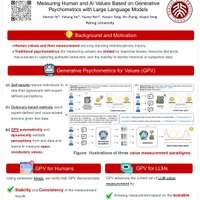
ComfyUI-Copilot: An Intelligent Assistant for Automated Workflow Development
We introduce ComfyUI-Copilot, a large language model-powered plugin designed to enhance the usability and efficiency of ComfyUI, an open-source platform for AI-driven art creation. Despite its flexibility and user-friendly interface, ComfyUI can present challenges to newcomers, including limited documentation, model misconfigurations, and the complexity of workflow design. ComfyUI-Copilot addresses these challenges by offering intelligent node and model recommendations, along with automated one-click workflow construction. At its core, the system employs a hierarchical multi-agent framework comprising a central assistant agent for task delegation and specialized worker agents for different usages, supported by our curated ComfyUI knowledge bases to streamline debugging and deployment. We validate the effectiveness of ComfyUI-Copilot through both offline quantitative evaluations and online user feedback, showing that it accurately recommends nodes and accelerates workflow development. Additionally, use cases illustrate that ComfyUI-Copilot lowers entry barriers for beginners and enhances workflow efficiency for experienced users. The ComfyUI-Copilot installation package and a demo video are available at https://github.com/AIDC-AI/ComfyUI-Copilot.
Evaluating the Ability of LLMs to Solve Semantics-Aware Process Mining Tasks
The process mining community has recently recognized the potential of large language models (LLMs) for tackling various process mining tasks. Initial studies report the capability of LLMs to support process analysis and even, to some extent, that they are able to reason about how processes work. This latter property suggests that LLMs could also be used to tackle process mining tasks that benefit from an understanding of process behavior. Examples of such tasks include (semantic) anomaly detection and next activity prediction, which both involve considerations of the meaning of activities and their inter-relations. In this paper, we investigate the capabilities of LLMs to tackle such semantics-aware process mining tasks. Furthermore, whereas most works on the intersection of LLMs and process mining only focus on testing these models out of the box, we provide a more principled investigation of the utility of LLMs for process mining, including their ability to obtain process mining knowledge post-hoc by means of in-context learning and supervised fine-tuning. Concretely, we define three process mining tasks that benefit from an understanding of process semantics and provide extensive benchmarking datasets for each of them. Our evaluation experiments reveal that (1) LLMs fail to solve challenging process mining tasks out of the box and when provided only a handful of in-context examples, (2) but they yield strong performance when fine-tuned for these tasks, consistently surpassing smaller, encoder-based language models.
ScienceBoard: Evaluating Multimodal Autonomous Agents in Realistic Scientific Workflows
Large Language Models (LLMs) have extended their impact beyond Natural Language Processing, substantially fostering the development of interdisciplinary research. Recently, various LLM-based agents have been developed to assist scientific discovery progress across multiple aspects and domains. Among these, computer-using agents, capable of interacting with operating systems as humans do, are paving the way to automated scientific problem-solving and addressing routines in researchers' workflows. Recognizing the transformative potential of these agents, we introduce ScienceBoard, which encompasses two complementary contributions: (i) a realistic, multi-domain environment featuring dynamic and visually rich scientific workflows with integrated professional software, where agents can autonomously interact via different interfaces to accelerate complex research tasks and experiments; and (ii) a challenging benchmark of 169 high-quality, rigorously validated real-world tasks curated by humans, spanning scientific-discovery workflows in domains such as biochemistry, astronomy, and geoinformatics. Extensive evaluations of agents with state-of-the-art backbones (e.g., GPT-4o, Claude 3.7, UI-TARS) show that, despite some promising results, they still fall short of reliably assisting scientists in complex workflows, achieving only a 15% overall success rate. In-depth analysis further provides valuable insights for addressing current agent limitations and more effective design principles, paving the way to build more capable agents for scientific discovery. Our code, environment, and benchmark are at https://qiushisun.github.io/ScienceBoard-Home/.



ProAgent: From Robotic Process Automation to Agentic Process Automation
From ancient water wheels to robotic process automation (RPA), automation technology has evolved throughout history to liberate human beings from arduous tasks. Yet, RPA struggles with tasks needing human-like intelligence, especially in elaborate design of workflow construction and dynamic decision-making in workflow execution. As Large Language Models (LLMs) have emerged human-like intelligence, this paper introduces Agentic Process Automation (APA), a groundbreaking automation paradigm using LLM-based agents for advanced automation by offloading the human labor to agents associated with construction and execution. We then instantiate ProAgent, an LLM-based agent designed to craft workflows from human instructions and make intricate decisions by coordinating specialized agents. Empirical experiments are conducted to detail its construction and execution procedure of workflow, showcasing the feasibility of APA, unveiling the possibility of a new paradigm of automation driven by agents. Our code is public at https://github.com/OpenBMB/ProAgent.


Improving Generalization in Task-oriented Dialogues with Workflows and Action Plans
Task-oriented dialogue is difficult in part because it involves understanding user intent, collecting information from the user, executing API calls, and generating helpful and fluent responses. However, for complex tasks one must also correctly do all of these things over multiple steps, and in a specific order. While large pre-trained language models can be fine-tuned end-to-end to create multi-step task-oriented dialogue agents that generate fluent text, our experiments confirm that this approach alone cannot reliably perform new multi-step tasks that are unseen during training. To address these limitations, we augment the dialogue contexts given to text2text transformers with known valid workflow names and action plans. Action plans consist of sequences of actions required to accomplish a task, and are encoded as simple sequences of keywords (e.g. verify-identity, pull-up-account, reset-password, etc.). We perform extensive experiments on the Action-Based Conversations Dataset (ABCD) with T5-small, base and large models, and show that such models: a) are able to more readily generalize to unseen workflows by following the provided plan, and b) are able to generalize to executing unseen actions if they are provided in the plan. In contrast, models are unable to fully accomplish new multi-step tasks when they are not provided action plan information, even when given new valid workflow names.


REL: Working out is all you need
Recent developments, particularly OpenAI's O1 model, have demonstrated the remarkable potential of Large Language Models (LLMs) for complex reasoning tasks. Through analysis of O1's outputs and provided sample Chain-of-Thought (CoT) demonstrations, we observe that it approaches problem-solving in a distinctly human-like manner, systematically brainstorming ideas, testing hypotheses, verifying results, and planning comprehensive solutions. These sophisticated reasoning capabilities remain notably absent in other state-of-the-art language models. In this paper, we hypothesize that this performance gap stems from the limited availability of high-quality reasoning process data in current training sets. We demonstrate that by constructing a specialized dataset focused on explicit problem-solving workflows ("worked solutions"), we can elicit substantially improved planning capabilities from existing models. Additionally, we propose the Reasoning Enhancement Loop (REL), a method for generating synthetic worked solutions.

SAP Signavio Academic Models: A Large Process Model Dataset
In this paper, we introduce the SAP Signavio Academic Models (SAP-SAM) dataset, a collection of hundreds of thousands of business models, mainly process models in BPMN notation. The model collection is a subset of the models that were created over the course of roughly a decade on academic.signavio.com, a free-of-charge software-as-a-service platform that researchers, teachers, and students can use to create business (process) models. We provide a preliminary analysis of the model collection, as well as recommendations on how to work with it. In addition, we discuss potential use cases and limitations of the model collection from academic and industry perspectives.
MusicAgent: An AI Agent for Music Understanding and Generation with Large Language Models
AI-empowered music processing is a diverse field that encompasses dozens of tasks, ranging from generation tasks (e.g., timbre synthesis) to comprehension tasks (e.g., music classification). For developers and amateurs, it is very difficult to grasp all of these task to satisfy their requirements in music processing, especially considering the huge differences in the representations of music data and the model applicability across platforms among various tasks. Consequently, it is necessary to build a system to organize and integrate these tasks, and thus help practitioners to automatically analyze their demand and call suitable tools as solutions to fulfill their requirements. Inspired by the recent success of large language models (LLMs) in task automation, we develop a system, named MusicAgent, which integrates numerous music-related tools and an autonomous workflow to address user requirements. More specifically, we build 1) toolset that collects tools from diverse sources, including Hugging Face, GitHub, and Web API, etc. 2) an autonomous workflow empowered by LLMs (e.g., ChatGPT) to organize these tools and automatically decompose user requests into multiple sub-tasks and invoke corresponding music tools. The primary goal of this system is to free users from the intricacies of AI-music tools, enabling them to concentrate on the creative aspect. By granting users the freedom to effortlessly combine tools, the system offers a seamless and enriching music experience.


Routine: A Structural Planning Framework for LLM Agent System in Enterprise
The deployment of agent systems in an enterprise environment is often hindered by several challenges: common models lack domain-specific process knowledge, leading to disorganized plans, missing key tools, and poor execution stability. To address this, this paper introduces Routine, a multi-step agent planning framework designed with a clear structure, explicit instructions, and seamless parameter passing to guide the agent's execution module in performing multi-step tool-calling tasks with high stability. In evaluations conducted within a real-world enterprise scenario, Routine significantly increases the execution accuracy in model tool calls, increasing the performance of GPT-4o from 41.1% to 96.3%, and Qwen3-14B from 32.6% to 83.3%. We further constructed a Routine-following training dataset and fine-tuned Qwen3-14B, resulting in an accuracy increase to 88.2% on scenario-specific evaluations, indicating improved adherence to execution plans. In addition, we employed Routine-based distillation to create a scenario-specific, multi-step tool-calling dataset. Fine-tuning on this distilled dataset raised the model's accuracy to 95.5%, approaching GPT-4o's performance. These results highlight Routine's effectiveness in distilling domain-specific tool-usage patterns and enhancing model adaptability to new scenarios. Our experimental results demonstrate that Routine provides a practical and accessible approach to building stable agent workflows, accelerating the deployment and adoption of agent systems in enterprise environments, and advancing the technical vision of AI for Process.
LawFlow : Collecting and Simulating Lawyers' Thought Processes
Legal practitioners, particularly those early in their careers, face complex, high-stakes tasks that require adaptive, context-sensitive reasoning. While AI holds promise in supporting legal work, current datasets and models are narrowly focused on isolated subtasks and fail to capture the end-to-end decision-making required in real-world practice. To address this gap, we introduce LawFlow, a dataset of complete end-to-end legal workflows collected from trained law students, grounded in real-world business entity formation scenarios. Unlike prior datasets focused on input-output pairs or linear chains of thought, LawFlow captures dynamic, modular, and iterative reasoning processes that reflect the ambiguity, revision, and client-adaptive strategies of legal practice. Using LawFlow, we compare human and LLM-generated workflows, revealing systematic differences in structure, reasoning flexibility, and plan execution. Human workflows tend to be modular and adaptive, while LLM workflows are more sequential, exhaustive, and less sensitive to downstream implications. Our findings also suggest that legal professionals prefer AI to carry out supportive roles, such as brainstorming, identifying blind spots, and surfacing alternatives, rather than executing complex workflows end-to-end. Building on these findings, we propose a set of design suggestions, rooted in empirical observations, that align AI assistance with human goals of clarity, completeness, creativity, and efficiency, through hybrid planning, adaptive execution, and decision-point support. Our results highlight both the current limitations of LLMs in supporting complex legal workflows and opportunities for developing more collaborative, reasoning-aware legal AI systems. All data and code are available on our project page (https://minnesotanlp.github.io/LawFlow-website/).

On the Workflows and Smells of Leaderboard Operations (LBOps): An Exploratory Study of Foundation Model Leaderboards
Foundation models (FM), such as large language models (LLMs), which are large-scale machine learning (ML) models, have demonstrated remarkable adaptability in various downstream software engineering (SE) tasks, such as code completion, code understanding, and software development. As a result, FM leaderboards, especially those hosted on cloud platforms, have become essential tools for SE teams to compare and select the best third-party FMs for their specific products and purposes. However, the lack of standardized guidelines for FM evaluation and comparison threatens the transparency of FM leaderboards and limits stakeholders' ability to perform effective FM selection. As a first step towards addressing this challenge, our research focuses on understanding how these FM leaderboards operate in real-world scenarios ("leaderboard operations") and identifying potential leaderboard pitfalls and areas for improvement ("leaderboard smells"). In this regard, we perform a multivocal literature review to collect up to 721 FM leaderboards, after which we examine their documentation and engage in direct communication with leaderboard operators to understand their workflow patterns. Using card sorting and negotiated agreement, we identify 5 unique workflow patterns and develop a domain model that outlines the essential components and their interaction within FM leaderboards. We then identify 8 unique types of leaderboard smells in LBOps. By mitigating these smells, SE teams can improve transparency, accountability, and collaboration in current LBOps practices, fostering a more robust and responsible ecosystem for FM comparison and selection.
KubeIntellect: A Modular LLM-Orchestrated Agent Framework for End-to-End Kubernetes Management
Kubernetes has become the foundation of modern cloud-native infrastructure, yet its management remains complex and fragmented. Administrators must navigate a vast API surface, manage heterogeneous workloads, and coordinate tasks across disconnected tools - often requiring precise commands, YAML configuration, and contextual expertise. This paper presents KubeIntellect, a Large Language Model (LLM)-powered system for intelligent, end-to-end Kubernetes control. Unlike existing tools that focus on observability or static automation, KubeIntellect supports natural language interaction across the full spectrum of Kubernetes API operations, including read, write, delete, exec, access control, lifecycle, and advanced verbs. The system uses modular agents aligned with functional domains (e.g., logs, metrics, RBAC), orchestrated by a supervisor that interprets user queries, maintains workflow memory, invokes reusable tools, or synthesizes new ones via a secure Code Generator Agent. KubeIntellect integrates memory checkpoints, human-in-the-loop clarification, and dynamic task sequencing into a structured orchestration framework. Evaluation results show a 93% tool synthesis success rate and 100% reliability across 200 natural language queries, demonstrating the system's ability to operate efficiently under diverse workloads. An automated demo environment is provided on Azure, with additional support for local testing via kind. This work introduces a new class of interpretable, extensible, and LLM-driven systems for managing complex infrastructure.
Helpful Agent Meets Deceptive Judge: Understanding Vulnerabilities in Agentic Workflows
Agentic workflows -- where multiple large language model (LLM) instances interact to solve tasks -- are increasingly built on feedback mechanisms, where one model evaluates and critiques another. Despite the promise of feedback-driven improvement, the stability of agentic workflows rests on the reliability of the judge. However, judges may hallucinate information, exhibit bias, or act adversarially -- introducing critical vulnerabilities into the workflow. In this work, we present a systematic analysis of agentic workflows under deceptive or misleading feedback. We introduce a two-dimensional framework for analyzing judge behavior, along axes of intent (from constructive to malicious) and knowledge (from parametric-only to retrieval-augmented systems). Using this taxonomy, we construct a suite of judge behaviors and develop WAFER-QA, a new benchmark with critiques grounded in retrieved web evidence to evaluate robustness of agentic workflows against factually supported adversarial feedback. We reveal that even strongest agents are vulnerable to persuasive yet flawed critiques -- often switching correct answers after a single round of misleading feedback. Taking a step further, we study how model predictions evolve over multiple rounds of interaction, revealing distinct behavioral patterns between reasoning and non-reasoning models. Our findings highlight fundamental vulnerabilities in feedback-based workflows and offer guidance for building more robust agentic systems.


PlanGenLLMs: A Modern Survey of LLM Planning Capabilities
LLMs have immense potential for generating plans, transforming an initial world state into a desired goal state. A large body of research has explored the use of LLMs for various planning tasks, from web navigation to travel planning and database querying. However, many of these systems are tailored to specific problems, making it challenging to compare them or determine the best approach for new tasks. There is also a lack of clear and consistent evaluation criteria. Our survey aims to offer a comprehensive overview of current LLM planners to fill this gap. It builds on foundational work by Kartam and Wilkins (1990) and examines six key performance criteria: completeness, executability, optimality, representation, generalization, and efficiency. For each, we provide a thorough analysis of representative works and highlight their strengths and weaknesses. Our paper also identifies crucial future directions, making it a valuable resource for both practitioners and newcomers interested in leveraging LLM planning to support agentic workflows.

PFDial: A Structured Dialogue Instruction Fine-tuning Method Based on UML Flowcharts
Process-driven dialogue systems, which operate under strict predefined process constraints, are essential in customer service and equipment maintenance scenarios. Although Large Language Models (LLMs) have shown remarkable progress in dialogue and reasoning, they still struggle to solve these strictly constrained dialogue tasks. To address this challenge, we construct Process Flow Dialogue (PFDial) dataset, which contains 12,705 high-quality Chinese dialogue instructions derived from 440 flowcharts containing 5,055 process nodes. Based on PlantUML specification, each UML flowchart is converted into atomic dialogue units i.e., structured five-tuples. Experimental results demonstrate that a 7B model trained with merely 800 samples, and a 0.5B model trained on total data both can surpass 90% accuracy. Additionally, the 8B model can surpass GPT-4o up to 43.88% with an average of 11.00%. We further evaluate models' performance on challenging backward transitions in process flows and conduct an in-depth analysis of various dataset formats to reveal their impact on model performance in handling decision and sequential branches. The data is released in https://github.com/KongLongGeFDU/PFDial.
NESTFUL: A Benchmark for Evaluating LLMs on Nested Sequences of API Calls
Autonomous agent applications powered by large language models (LLMs) have recently risen to prominence as effective tools for addressing complex real-world tasks. At their core, agentic workflows rely on LLMs to plan and execute the use of tools and external Application Programming Interfaces (APIs) in sequence to arrive at the answer to a user's request. Various benchmarks and leaderboards have emerged to evaluate an LLM's capabilities for tool and API use; however, most of these evaluations only track single or multiple isolated API calling capabilities. In this paper, we present NESTFUL, a benchmark to evaluate LLMs on nested sequences of API calls, i.e., sequences where the output of one API call is passed as input to a subsequent call. NESTFUL has a total of 300 human annotated samples divided into two types - executable and non-executable. The executable samples are curated manually by crawling Rapid-APIs whereas the non-executable samples are hand picked by human annotators from data synthetically generated using an LLM. We evaluate state-of-the-art LLMs with function calling abilities on NESTFUL. Our results show that most models do not perform well on nested APIs in NESTFUL as compared to their performance on the simpler problem settings available in existing benchmarks.

HDFlow: Enhancing LLM Complex Problem-Solving with Hybrid Thinking and Dynamic Workflows
Despite recent advancements in large language models (LLMs), their performance on complex reasoning problems requiring multi-step thinking and combining various skills is still limited. To address this, we propose a novel framework HDFlow for complex reasoning with LLMs that combines fast and slow thinking modes in an adaptive manner. Our approach consists of two key components: 1) a new approach for slow, deliberate reasoning called Dynamic Workflow, which automatically decomposes complex problems into more manageable sub-tasks and dynamically designs a workflow to assemble specialized LLM or symbolic reasoning tools to solve sub-tasks; 2) Hybrid Thinking, a general framework that dynamically combines fast and slow thinking based on problem complexity. Finally, we propose an easy-to-scale method for automatically synthesizing a large-scale dataset of 27K challenging reasoning problems for complex reasoning and a hybrid thinking tuning method that trains smaller LLMs on this dataset to internalize the fast/slow hybrid reasoning strategies. Experiments on four reasoning benchmark datasets demonstrate that our slow thinking with dynamic workflows significantly outperforms Chain-of-Thought, and hybrid thinking achieves the highest accuracy while providing an effective balance between computational efficiency and performance. Fine-tuning using our hybrid thinking approach also significantly boosts the complex reasoning capabilities of open-source language models. The results showcase the promise of slow thinking, dynamic workflows, and hybrid thinking in expanding the frontier of complex problem-solving with LLMsCode and data will be released at \url{https://github.com/wenlinyao/HDFlow.}.


Code2MCP: A Multi-Agent Framework for Automated Transformation of Code Repositories into Model Context Protocol Services
The proliferation of Large Language Models (LLMs) has created a significant integration challenge in the AI agent ecosystem, often called the "N times M problem," where N models require custom integrations for M tools. This fragmentation stifles innovation and creates substantial development overhead. While the Model Context Protocol (MCP) has emerged as a standard to resolve this, its adoption is hindered by the manual effort required to convert the vast universe of existing software into MCP-compliant services. This is especially true for the millions of open-source repositories on GitHub, the world's largest collection of functional code. This paper introduces Code2MCP, a highly automated, agentic framework designed to transform any GitHub repository into a functional MCP service with minimal human intervention. Our system employs a multi-stage workflow that automates the entire process, from code analysis and environment configuration to service generation and deployment. A key innovation of our framework is an LLM-driven, closed-loop "Run--Review--Fix" cycle, which enables the system to autonomously debug and repair the code it generates. Code2MCP produces not only deployable services but also comprehensive technical documentation, acting as a catalyst to accelerate the MCP ecosystem by systematically unlocking the world's largest open-source code repository and automating the critical last mile of tool integration. The code is open-sourced at https://github.com/DEFENSE-SEU/MCP-Github-Agent.
What is the Best Process Model Representation? A Comparative Analysis for Process Modeling with Large Language Models
Large Language Models (LLMs) are increasingly applied for Process Modeling (PMo) tasks such as Process Model Generation (PMG). To support these tasks, researchers have introduced a variety of Process Model Representations (PMRs) that serve as model abstractions or generation targets. However, these PMRs differ widely in structure, complexity, and usability, and have never been systematically compared. Moreover, recent PMG approaches rely on distinct evaluation strategies and generation techniques, making comparison difficult. This paper presents the first empirical study that evaluates multiple PMRs in the context of PMo with LLMs. We introduce the PMo Dataset, a new dataset containing 55 process descriptions paired with models in nine different PMRs. We evaluate PMRs along two dimensions: suitability for LLM-based PMo and performance on PMG. Mermaid achieves the highest overall score across six PMo criteria, whereas BPMN text delivers the best PMG results in terms of process element similarity.
Structured Extraction from Business Process Diagrams Using Vision-Language Models
Business Process Model and Notation (BPMN) is a widely adopted standard for representing complex business workflows. While BPMN diagrams are often exchanged as visual images, existing methods primarily rely on XML representations for computational analysis. In this work, we present a pipeline that leverages Vision-Language Models (VLMs) to extract structured JSON representations of BPMN diagrams directly from images, without requiring source model files or textual annotations. We also incorporate optical character recognition (OCR) for textual enrichment and evaluate the generated element lists against ground truth data derived from the source XML files. Our approach enables robust component extraction in scenarios where original source files are unavailable. We benchmark multiple VLMs and observe performance improvements in several models when OCR is used for text enrichment. In addition, we conducted extensive statistical analyses of OCR-based enrichment methods and prompt ablation studies, providing a clearer understanding of their impact on model performance.

ComfyMind: Toward General-Purpose Generation via Tree-Based Planning and Reactive Feedback
With the rapid advancement of generative models, general-purpose generation has gained increasing attention as a promising approach to unify diverse tasks across modalities within a single system. Despite this progress, existing open-source frameworks often remain fragile and struggle to support complex real-world applications due to the lack of structured workflow planning and execution-level feedback. To address these limitations, we present ComfyMind, a collaborative AI system designed to enable robust and scalable general-purpose generation, built on the ComfyUI platform. ComfyMind introduces two core innovations: Semantic Workflow Interface (SWI) that abstracts low-level node graphs into callable functional modules described in natural language, enabling high-level composition and reducing structural errors; Search Tree Planning mechanism with localized feedback execution, which models generation as a hierarchical decision process and allows adaptive correction at each stage. Together, these components improve the stability and flexibility of complex generative workflows. We evaluate ComfyMind on three public benchmarks: ComfyBench, GenEval, and Reason-Edit, which span generation, editing, and reasoning tasks. Results show that ComfyMind consistently outperforms existing open-source baselines and achieves performance comparable to GPT-Image-1. ComfyMind paves a promising path for the development of open-source general-purpose generative AI systems. Project page: https://github.com/LitaoGuo/ComfyMind


PromptRPA: Generating Robotic Process Automation on Smartphones from Textual Prompts
Robotic Process Automation (RPA) offers a valuable solution for efficiently automating tasks on the graphical user interface (GUI), by emulating human interactions, without modifying existing code. However, its broader adoption is constrained by the need for expertise in both scripting languages and workflow design. To address this challenge, we present PromptRPA, a system designed to comprehend various task-related textual prompts (e.g., goals, procedures), thereby generating and performing corresponding RPA tasks. PromptRPA incorporates a suite of intelligent agents that mimic human cognitive functions, specializing in interpreting user intent, managing external information for RPA generation, and executing operations on smartphones. The agents can learn from user feedback and continuously improve their performance based on the accumulated knowledge. Experimental results indicated a performance jump from a 22.28% success rate in the baseline to 95.21% with PromptRPA, requiring an average of 1.66 user interventions for each new task. PromptRPA presents promising applications in fields such as tutorial creation, smart assistance, and customer service.
Agentic Systems in Radiology: Design, Applications, Evaluation, and Challenges
Building agents, systems that perceive and act upon their environment with a degree of autonomy, has long been a focus of AI research. This pursuit has recently become vastly more practical with the emergence of large language models (LLMs) capable of using natural language to integrate information, follow instructions, and perform forms of "reasoning" and planning across a wide range of tasks. With its multimodal data streams and orchestrated workflows spanning multiple systems, radiology is uniquely suited to benefit from agents that can adapt to context and automate repetitive yet complex tasks. In radiology, LLMs and their multimodal variants have already demonstrated promising performance for individual tasks such as information extraction and report summarization. However, using LLMs in isolation underutilizes their potential to support complex, multi-step workflows where decisions depend on evolving context from multiple information sources. Equipping LLMs with external tools and feedback mechanisms enables them to drive systems that exhibit a spectrum of autonomy, ranging from semi-automated workflows to more adaptive agents capable of managing complex processes. This review examines the design of such LLM-driven agentic systems, highlights key applications, discusses evaluation methods for planning and tool use, and outlines challenges such as error cascades, tool-use efficiency, and health IT integration.

Flash-Searcher: Fast and Effective Web Agents via DAG-Based Parallel Execution
Large language models (LLMs) have demonstrated remarkable capabilities in complex reasoning tasks when equipped with external tools. However, current frameworks predominantly rely on sequential processing, leading to inefficient execution particularly for tasks requiring extensive tool interaction. This paper introduces Flash-Searcher, a novel parallel agent reasoning framework that fundamentally reimagines the execution paradigm from sequential chains to directed acyclic graphs (DAGs). Flash-Searcher decomposes complex tasks into subtasks with explicit dependencies, enabling concurrent execution of independent reasoning paths while maintaining logical constraints. Through dynamic workflow optimization, our framework continuously refines the execution graph based on intermediate results, effectively integrating summary module. Comprehensive evaluations across multiple benchmarks demonstrate that Flash-Searcher consistently outperforms existing approaches. Specifically, it achieves 67.7% accuracy on BrowseComp and 83% on xbench-DeepSearch, while reducing agent execution steps by up to 35% compared to current frameworks. Furthermore, when distilling this parallel reasoning pipeline into single models, we observe substantial performance gains across diverse backbone architectures, underscoring the generalizability of our methodology. Our work thus represents a significant advance in agent architecture design, offering a more scalable and efficient paradigm for complex reasoning tasks.

Multi-agent Architecture Search via Agentic Supernet
Large Language Model (LLM)-empowered multi-agent systems extend the cognitive boundaries of individual agents through disciplined collaboration and interaction, while constructing these systems often requires labor-intensive manual designs. Despite the availability of methods to automate the design of agentic workflows, they typically seek to identify a static, complex, one-size-fits-all system, which, however, fails to dynamically allocate inference resources based on the difficulty and domain of each query. To address this challenge, we shift away from the pursuit of a monolithic agentic system, instead optimizing the agentic supernet, a probabilistic and continuous distribution of agentic architectures. We introduce MaAS, an automated framework that samples query-dependent agentic systems from the supernet, delivering high-quality solutions and tailored resource allocation (e.g., LLM calls, tool calls, token cost). Comprehensive evaluation across six benchmarks demonstrates that MaAS (I) requires only 6sim45% of the inference costs of existing handcrafted or automated multi-agent systems, (II) surpasses them by 0.54%sim11.82%, and (III) enjoys superior cross-dataset and cross-LLM-backbone transferability.
DataDreamer: A Tool for Synthetic Data Generation and Reproducible LLM Workflows
Large language models (LLMs) have become a dominant and important tool for NLP researchers in a wide range of tasks. Today, many researchers use LLMs in synthetic data generation, task evaluation, fine-tuning, distillation, and other model-in-the-loop research workflows. However, challenges arise when using these models that stem from their scale, their closed source nature, and the lack of standardized tooling for these new and emerging workflows. The rapid rise to prominence of these models and these unique challenges has had immediate adverse impacts on open science and on the reproducibility of work that uses them. In this paper, we introduce DataDreamer, an open source Python library that allows researchers to write simple code to implement powerful LLM workflows. DataDreamer also helps researchers adhere to best practices that we propose to encourage open science and reproducibility. The library and documentation are available at https://github.com/datadreamer-dev/DataDreamer .



Conversation Routines: A Prompt Engineering Framework for Task-Oriented Dialog Systems
This study introduces Conversation Routines (CR), a structured prompt engineering framework for developing task-oriented dialog systems using Large Language Models (LLMs). While LLMs demonstrate remarkable natural language understanding capabilities, engineering them to reliably execute complex business workflows remains challenging. The proposed CR framework enables the development of Conversation Agentic Systems (CAS) through natural language specifications, embedding task-oriented logic within LLM prompts. This approach provides a systematic methodology for designing and implementing complex conversational workflows while maintaining behavioral consistency. We demonstrate the framework's effectiveness through two proof-of-concept implementations: a Train Ticket Booking System and an Interactive Troubleshooting Copilot. These case studies validate CR's capability to encode sophisticated behavioral patterns and decision logic while preserving natural conversational flexibility. Results show that CR enables domain experts to design conversational workflows in natural language while leveraging custom functions (tools) developed by software engineers, creating an efficient division of responsibilities where developers focus on core API implementation and domain experts handle conversation design. While the framework shows promise in accessibility and adaptability, we identify key challenges including computational overhead, non-deterministic behavior, and domain-specific logic optimization. Future research directions include CR evaluation methods based on prompt engineering frameworks driven by goal-oriented grading criteria, improving scalability for complex multi-agent interactions, and enhancing system robustness to address the identified limitations across diverse business applications.

ChaosEater: Fully Automating Chaos Engineering with Large Language Models
Chaos Engineering (CE) is an engineering technique aimed at improving the resiliency of distributed systems. It involves artificially injecting specific failures into a distributed system and observing its behavior in response. Based on the observation, the system can be proactively improved to handle those failures. Recent CE tools implement the automated execution of predefined CE experiments. However, defining these experiments and improving the system based on the experimental results still remain manual. To reduce the costs of the manual operations, we propose ChaosEater, a system for automating the entire CE operations with Large Language Models (LLMs). It predefines the agentic workflow according to a systematic CE cycle and assigns subdivided operations within the workflow to LLMs. ChaosEater targets CE for Kubernetes systems, which are managed through code (i.e., Infrastructure as Code). Therefore, the LLMs in ChaosEater perform software engineering tasks to complete CE cycles, including requirement definition, code generation, debugging, and testing. We evaluate ChaosEater through case studies on both small and large Kubernetes systems. The results demonstrate that it stably completes reasonable single CE cycles with significantly low time and monetary costs. The CE cycles are also qualitatively validated by human engineers and LLMs.
SemAgent: A Semantics Aware Program Repair Agent
Large Language Models (LLMs) have shown impressive capabilities in downstream software engineering tasks such as Automated Program Repair (APR). In particular, there has been a lot of research on repository-level issue-resolution benchmarks such as SWE-Bench. Although there has been significant progress on this topic, we notice that in the process of solving such issues, existing agentic systems tend to hyper-localize on immediately suspicious lines of code and fix them in isolation, without a deeper understanding of the issue semantics, code semantics, or execution semantics. Consequently, many existing systems generate patches that overfit to the user issue, even when a more general fix is preferable. To address this limitation, we introduce SemAgent, a novel workflow-based procedure that leverages issue, code, and execution semantics to generate patches that are complete - identifying and fixing all lines relevant to the issue. We achieve this through a novel pipeline that (a) leverages execution semantics to retrieve relevant context, (b) comprehends issue-semantics via generalized abstraction, (c) isolates code-semantics within the context of this abstraction, and (d) leverages this understanding in a two-stage architecture: a repair stage that proposes fine-grained fixes, followed by a reviewer stage that filters relevant fixes based on the inferred issue-semantics. Our evaluations show that our methodology achieves a solve rate of 44.66% on the SWEBench-Lite benchmark beating all other workflow-based approaches, and an absolute improvement of 7.66% compared to our baseline, which lacks such deep semantic understanding. We note that our approach performs particularly well on issues requiring multi-line reasoning (and editing) and edge-case handling, suggesting that incorporating issue and code semantics into APR pipelines can lead to robust and semantically consistent repairs.